


One of our sales representatives will contact you shortly.
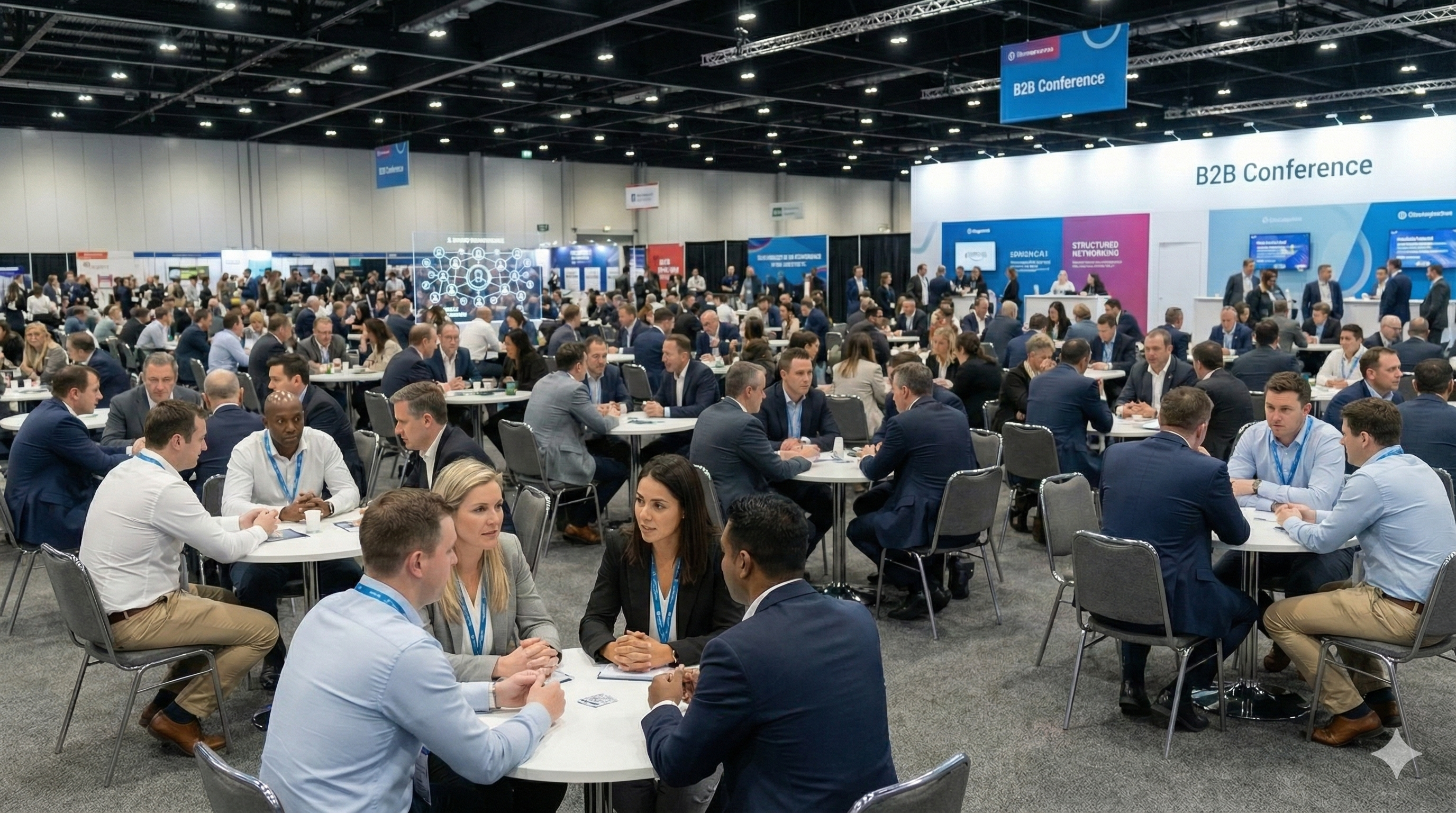
Most attendees show up with the same primary goal: meet the right people. Sponsors and exhibitors buy into the same promise: direct access to qualified buyers and partners. Yet the default networking model in most conferences is still random:
a badge scan here
a chat in a coffee line
a handshake after a panel
a “let’s connect on LinkedIn” that never becomes a meeting
Random networking fails for reasons that are predictable:
Attendees do not share enough context to qualify each other quickly.
The right people do not cross paths at the right time.
Senior buyers get surrounded by low-fit pitches and disengage.
High-value exhibitors cannot reach the decision-makers they paid for.
Organizers cannot prove outcomes because “chance encounters” do not generate structured data.
Even when the event is busy, the networking can still be low quality. A crowded venue is not the same as a connected marketplace.
The modern sponsor question is blunt:
How many qualified meetings did you generate?
With who, from what company, in what role?
What was the buyer intent?
What is the follow-up rate?
If you cannot answer those questions with credible data, ROI becomes an argument. Arguments do not renew budgets.
Low-quality meetings are not neutral. They are actively destructive to event economics.
When a buyer accepts a meeting that is poorly matched, three things happen. First, the buyer disengages from future meetings at the same event. They become more selective, cancel requests, or avoid networking entirely. Second, exhibitors burn time on conversations that cannot convert, which lowers perceived value and weakens sponsor confidence. Third, organizers lose credibility when promised outcomes fail to materialize.
This compounds over time. Buyers who experience repetitive low-fit meetings attend fewer networking sessions at future editions. Exhibitors downgrade sponsorship tiers or demand discounts. Sales teams deprioritize event leads because historical conversion rates are weak. The event still feels busy, but its commercial engine stalls.
Random networking also inflates operational cost. Staff intervene to resolve complaints, reschedule missed meetings, and manage frustrated stakeholders. These are invisible labor costs that never appear in post-event reports but quietly erode margins.
Most importantly, poor meetings distort ROI analysis. When networking outcomes are unstructured, organizers fall back on vanity metrics: badge scans, messages sent, or app opens. These numbers cannot explain why pipeline did or did not move. Sponsors do not renew based on activity. They renew based on outcomes.
AI Smart Matchmaking reframes ROI around meeting quality. By prioritizing high-fit conversations, the system reduces wasted time and increases conversion probability. Buyers protect their calendars. Exhibitors protect their investment. Organizers protect renewal revenue.
The difference is not more meetings. It is fewer, better meetings that justify premium pricing, defend sponsorship value, and sustain the event’s business model year after year.
AI Smart Matchmaking treats networking as a solvable optimization problem:
We do not guess. We calculate.
We do not hope buyers bump into sellers. We recommend and schedule high-fit connections.
We do not measure networking by “messages sent.” We measure it by meeting quality and conversion signals.
InEvent’s matchmaking uses structured attendee data to generate a Match Score for pairs of attendees. High-match connections are surfaced and prioritized. When you run hosted buyer programs, those connections become pre-scheduled meetings with accountability.
Events often chase volume metrics:
number of messages
number of chat requests
number of connections made
But a B2B conference is not a social network. High-volume, low-fit conversations burn time and reduce satisfaction.
The correct goal is Connection Quality:
Is the person relevant?
Is there a clear reason to meet?
Is intent aligned?
Is the timing right?
Is the decision-maker present?
AI matchmaking is how you operationalize that goal, repeatedly, at scale.
AI event matchmaking uses algorithms to analyze attendee profiles, interests, and behavior. It assigns a “Match Score” to pairs of users and automatically suggests or schedules 1:1 meetings between people with high compatibility, replacing random networking.
When matchmaking is structured:
Buyers spend less time filtering and more time meeting.
Exhibitors stop “spraying” pitches and start targeting.
Organizers can guarantee meeting programs, not just access.
Sponsors see measurable connection outcomes, not anecdotes.
That is how “networking” becomes a commercial product you can sell, deliver, and report on.
“AI matchmaking” fails when it is just keywords or vague interests. Real B2B matchmaking requires intent clarity and role context.
InEvent’s approach centers on structured, comparable fields that map to buying logic and partnership logic:
Job title and function
Industry
Company type and size
Seniority / decision-making influence
“I am looking for” tags
“I am offering” tags
Product categories, solutions, or capabilities
Regions and markets served
Budget authority or purchasing power (when captured)
This turns attendee profiles into signals that can be scored reliably.
A good match in B2B is not “we both like AI.” It is:
A buyer with a defined need and authority
A seller or partner with a relevant offer
A clear category alignment
A plausible next step after the event
So the algorithm prioritizes alignment across:
Role fit: are they the right type of counterpart?
Intent fit: does the “looking for” match the “offering”?
Industry fit: does the solution apply to the buyer’s context?
Seniority fit: is decision power present?
Timing fit: are they attending relevant sessions and moments?
Each possible attendee pairing is evaluated and assigned a score (example: 95% Match).
This matters because it creates:
transparency for organizers
prioritization for attendees
defensible outcomes for sponsors
Instead of “here’s a long list of everyone,” you get “here are your best meetings.”
Enterprise matchmaking cannot be a black box. Organizers need visibility and control over how matches are produced, not blind automation.
InEvent’s AI Smart Matchmaking is designed with configurable weighting and thresholds so the algorithm reflects business priorities. Not all signals are equal. For hosted buyer programs, buyer intent and purchasing authority may outweigh industry similarity. For peer conferences, role parity and topic alignment may matter more than seniority. The system allows organizers to influence these weightings so match scores align with the event’s commercial objective.
Thresholds are equally important. Without minimum match-score requirements, recommendations degrade into volume. Organizers can define cutoffs that determine which matches are surfaced, ensuring attendees are not flooded with marginal suggestions. This protects senior buyers from overexposure and prevents exhibitors from chasing low-probability meetings.
Human oversight remains central. AI generates recommendations, but organizers retain control over rules, exclusions, and program structure. This hybrid model avoids algorithmic failure modes such as over-matching popular profiles, reinforcing bias toward dominant segments, or creating meeting congestion around a small subset of buyers.
Behavioral feedback closes the loop. Declined meetings, ignored suggestions, and completed conversations all inform future recommendations. The system learns what “good” looks like in context, improving accuracy across days and editions.
This is not autonomous matchmaking. It is assisted optimization. AI handles scale and complexity. Humans define intent, guardrails, and success criteria. That balance is what makes matchmaking reliable, repeatable, and defensible at enterprise scale.
High-scoring matches appear at the top of the networking experience:
recommended people
suggested meeting requests
guided scheduling prompts
This changes attendee behavior. Most users will not search for hours. They will act on what the system puts in front of them. The agenda of the event becomes the agenda of the marketplace.
Static registration data is the foundation. Real-time behavior improves the match quality:
session attendance suggests evolving interests
exhibitor interactions signal category intent
profile views and saves indicate attraction and relevance
meeting accept/decline patterns reduce repeated low-fit suggestions
This is how matchmaking becomes more accurate during the event, not just before it.
InEvent uses structured data points including industry, job title, purchasing power, and explicit “Interests/Offers” tags selected during registration. The system also learns from behavioral data, such as session attendance, to refine recommendations in real-time.
A match score is not just an internal calculation. It is a sponsor-grade artifact:
Exhibitors can focus on high-score buyers.
Hosted buyer managers can justify meeting schedules.
Organizers can report average match quality across the program.
Sponsors can see that meetings were not random.
It turns networking into an accountable system.
Hosted buyer programs exist because trade shows are expensive and attention is scarce.
Exhibitors paying $10k+ do not want:
foot traffic
badge scans
vague “brand exposure”
They want meetings with qualified buyers. They want a calendar filled before the doors open.
This is where “random networking” is commercially unacceptable. Hosted buyer programs live and die by guaranteed meetings.
InEvent AI Smart Matchmaking enables Pre-Scheduled Meetings:
Buyers and sellers are matched based on structured intent.
Meeting recommendations are generated with high fit.
Schedules are built before the event starts.
Calendar slots are managed like inventory.
The value is operational:
Exhibitors arrive with a schedule.
Buyers arrive with a plan.
Onsite-only meeting booking fails because:
prime times fill unpredictably
buyers get distracted
exhibitors compete for the same buyer
Schedules become fragmented
Pre-scheduling creates a stable baseline. Onsite bookings become optimization, not desperation.
Hosted buyer programs have a real resource constraint: time. A hosted buyer has only so many meeting slots. An exhibitor has only so many staff. A venue has only so many tables.
AI matchmaking helps allocate scarce meeting inventory to the highest-fit pairings first. This produces higher satisfaction because:
buyers avoid low-value meetings
exhibitors avoid unqualified conversations
organizers avoid complaints about “we got the wrong buyers”
Hosted buyer managers need to report outcomes to sponsors and leadership. A structured system supports reporting such as:
total meetings scheduled
meetings by buyer segment
meetings by exhibitor tier
acceptance rates and decline reasons
match score distribution
meeting utilization by time block
pipeline influence estimates (when integrated with CRM processes)
When you can quantify meeting outcomes, sponsor ROI becomes measurable and repeatable.
Hosted buyer programs succeed when meetings are treated as deliverables, not promises. AI Smart Matchmaking enables organizers to package, sell, and enforce meeting outcomes with clarity.
Sponsors and exhibitors increasingly expect guarantees: a minimum number of qualified meetings, access to specific buyer segments, or priority placement in matchmaking queues. Without structured matching, these guarantees are risky. With match scoring and scheduling logic, they become enforceable.
Organizers can design tiered packages where premium sponsors receive higher match-score thresholds, earlier access to scheduling windows, or greater visibility among priority buyers. Lower tiers still receive value, but with clearly defined limits. This transparency reduces disputes and aligns expectations before contracts are signed.
Guarantees also require remediation logic. Meetings get canceled. Buyers miss sessions. Schedules shift. A structured system allows organizers to identify gaps in real time and reallocate inventory intelligently, rather than scrambling manually. Replacement matches are based on fit, not availability alone.
Operationally, AI Smart Matchmaking reduces staffing load. Manual hosted buyer programs require coordinators to review profiles, negotiate schedules, chase confirmations, and resolve conflicts. As programs scale, staffing grows linearly. With AI-assisted matching, staff shift from scheduling to oversight. Exceptions are managed, not every meeting.
This changes the economics of scale. Organizers can run more hosted buyer programs without proportional headcount increases. Meeting quality stays consistent. Reporting stays defensible. Sponsor confidence increases.
Hosted buyer stops being a one-off premium experiment. It becomes a repeatable product line with predictable delivery, measurable outcomes, and a commercial story sponsors understand and trust.
Hosted buyer programs often require a commercial story:
why exhibitors should pay premium tiers
why buyers should be hosted
why sponsors should underwrite the program
A structured matchmaking system supports a credible organizer narrative: the event is an active marketplace producing potential deal flow, not a passive gathering.
With AI Smart Matchmaking, hosted buyer becomes easier to scale because:
matching logic is repeatable across events
meeting templates and rules can be standardized
sponsor packages can include guaranteed meeting counts or match quality thresholds
operational labor shifts from manual scheduling to oversight and exception handling
This reduces staffing load and increases delivery reliability.
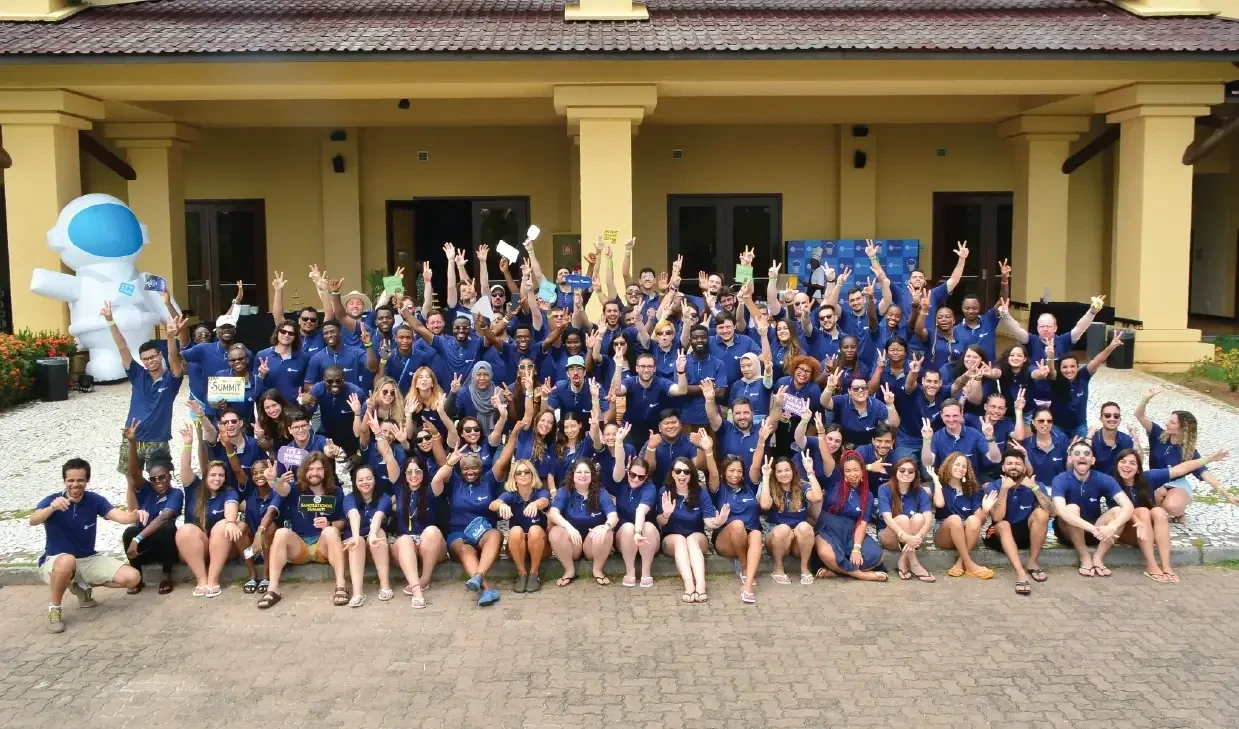
Internal events fail in a different way:
people stay with their team
familiar conversations dominate
the event becomes socially comfortable but strategically weak
A Sales Kickoff is not supposed to be comfortable. It is supposed to align the org:
Sales needs context from Product and Engineering
Engineering needs buyer reality from Sales
Customer Success needs roadmap clarity
Marketing needs field feedback
Random internal networking usually reinforces existing relationships. That is the opposite of “alignment.”
InEvent supports Matching Rules that let you design the network intentionally.
Example: Force Sales to meet Engineering.
Prioritize cross-department matches
Reduce or exclude Sales-to-Sales matches
Prevent colleagues from the same team from consuming limited networking slots
This creates strategic collisions:
the right conversations happen
not just the easy conversations
Yes. InEvent allows organizers to set “Matching Rules” that prioritize connections between specific groups (e.g., Buyers and Sellers) while preventing internal matching (e.g., Competitors or Colleagues from the same company).
Some teams worry that structured matching removes spontaneity. In practice, it removes wasted time.
Force matching is not about controlling people. It is about ensuring the event produces cross-functional outcomes:
fewer misunderstandings
faster execution
better launch readiness
stronger internal trust
The event becomes a coordination engine.
In internal events, exclusions prevent:
manager-direct report awkwardness in forced networking blocks
teammate-teammate redundancy
matches that create conflict of interest
In B2B events, exclusions can prevent:
competitor matching
same-company matching when not desired
restricted roles being overwhelmed (VIP buyer protection)
This is part of connection quality. Not every connection is good.
Internal events often fail not because of poor content, but because existing relationships dominate attention. People default to familiar colleagues. Silos persist. Alignment remains theoretical.
AI Smart Matchmaking allows organizations to design internal connectivity with intention. By forcing cross-functional matches, leadership can accelerate understanding where it matters most. Sales hears product constraints directly from Engineering. Engineering hears customer reality directly from Sales. Customer Success shares renewal insights with Marketing. These conversations rarely happen organically at scale.
This is especially valuable during moments of change. Mergers, reorganizations, new product launches, and strategic pivots require shared context. Presentations alone do not create alignment. Conversation does.
Rule-based matching ensures those conversations occur. It limits redundant internal meetings and prioritizes exposure to new perspectives. Exclusions prevent awkward or counterproductive pairings, while still preserving psychological safety.
The result is faster execution after the event. Teams leave with clearer understanding, fewer assumptions, and stronger working relationships. The event becomes a coordination mechanism, not just a morale exercise.
Structured internal matchmaking is not about controlling people. It is about removing friction that prevents organizations from acting as one system. When connection design aligns with strategic intent, internal events produce measurable operational outcomes, not just engagement scores.
Matchmaking outcomes depend on setup discipline. The good news is that the inputs are straightforward.
Core implementation steps:
Define your matching objective
Hosted buyer: buyers to sellers
Conference: peers + partners
Internal: cross-department alignment
Design structured profile fields
industry, role, seniority
“looking for” and “offering” tags
categories that map to exhibitor offerings and buyer needs
Set matching rules
prioritize certain segments
block competitors and low-fit categories
control match volume per attendee
Publish the networking experience
recommended matches
meeting requests
scheduling windows
onsite availability rules
Measure and iterate
acceptance rate
average match score
meeting completion
sponsor satisfaction
This is a repeatable system. It gets stronger as your taxonomy improves.
AI matchmaking only works when participants trust the system. In B2B environments, that trust is earned through consent, transparency, and control, not novelty. Attendees must understand why they are being matched, what data is used, and how to opt out without penalty.
A responsible matchmaking program starts with explicit opt-in. Participants choose whether to appear in recommendations, whether meetings can be requested automatically, and which profile fields are visible. Sensitive attributes, such as budget authority or buying timelines, should never be inferred silently. They must be declared, limited, or excluded entirely based on event policy.
Organizers also need ethical guardrails. Match volume caps prevent senior buyers from being overwhelmed. Cooling periods stop aggressive follow-up behavior. Clear exclusions protect against conflicts of interest, competitor exposure, or inappropriate pairings. These rules are not friction. They are what make high-value participants willing to engage.
Finally, transparency matters after the event. Attendees should be able to see which meetings were scheduled, which were declined, and why recommendations changed. This closes the loop and reinforces confidence that the system optimized for relevance, not volume.
It keeps decision makers engaged, protects sponsors, and preserves long term marketplace integrity.
Connection quality is the standard sponsors actually care about. It is not about how many people downloaded the app.
High-quality connections share:
role relevance (buyer vs seller, partner vs customer)
clear intent alignment (need vs offer)
sufficient authority (decision influence present)
credible next steps (meeting leads to pipeline activity)
AI Smart Matchmaking is designed to maximize these factors systematically, not accidentally.
When networking is random:
ROI is unprovable
sponsor renewal becomes political
hosted buyer programs become manual labor
When networking is structured:
meetings become deliverables
deliverables become reports
reports become renewals
That is the end of random networking. It is not a feature shift. It is a business model upgrade.
Yes. You can package matchmaking as a premium feature by selling VIP Matchmaking as a ticket tier, offering higher visibility, higher match limits, or guaranteed meeting scheduling windows for sponsors, exhibitors, or executive attendees.
Yes. AI Smart Matchmaking supports virtual networking by recommending high-fit connections and enabling scheduled or instant 1:1 video meetings, turning virtual attendance into measurable connection outcomes rather than passive content consumption.
Yes. Attendees can control their networking visibility and participation through privacy settings, including opting out of recommendations and meeting requests, ensuring matchmaking remains compliant and respectful of user preference.
Yes. AI matchmaking improves connection quality by scoring attendee compatibility using profile and intent data, then recommending or scheduling meetings with the highest-fit people. Random networking depends on chance encounters and cannot reliably produce sponsor-grade ROI.
Yes. When configured for hosted buyer workflows, matchmaking can generate and prioritize high-fit pairings and support pre-scheduled meeting calendars, giving exhibitors predictable meetings before the event begins and enabling organizers to report outcomes.
No. The core setup is structured registration fields and clear “looking for” and “offering” tags. Once those inputs exist, the system can generate match scores and recommendations. More refined taxonomies improve results, but the base workflow is fast.
Yes. Matching rules and exclusions can prevent competitor-to-competitor recommendations and block same-company matches when required. This protects attendees, improves relevance, and reduces the risk of low-trust networking interactions.
Matchmaking ROI can be measured using meeting volume, acceptance rates, match score distribution, meeting completion, and sponsor outcomes. With hosted buyer programs, you can also report scheduled meetings per exhibitor tier and buyer segment performance.