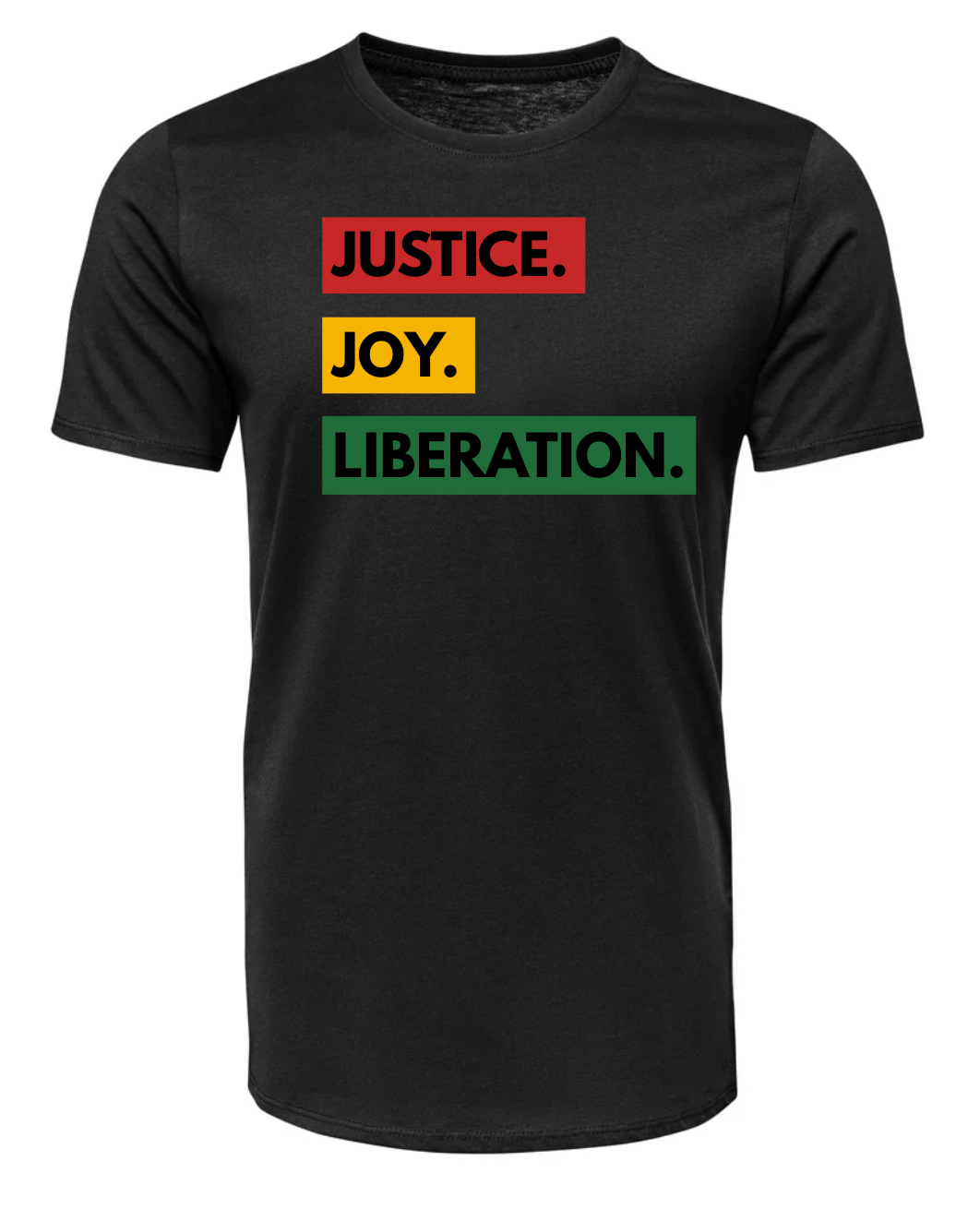
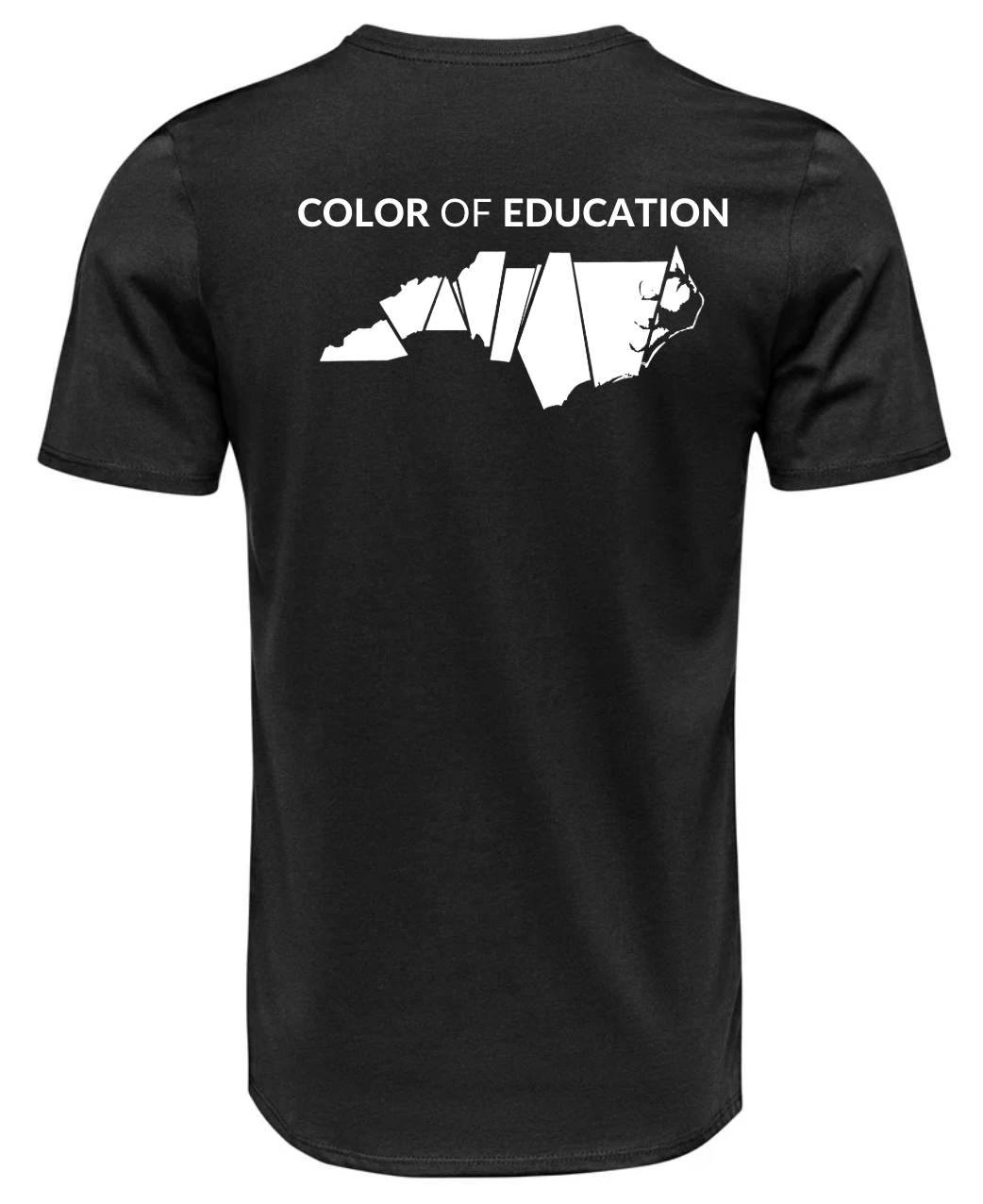
Official Color of Education 2026 T-Shirt


Ticket Offerings

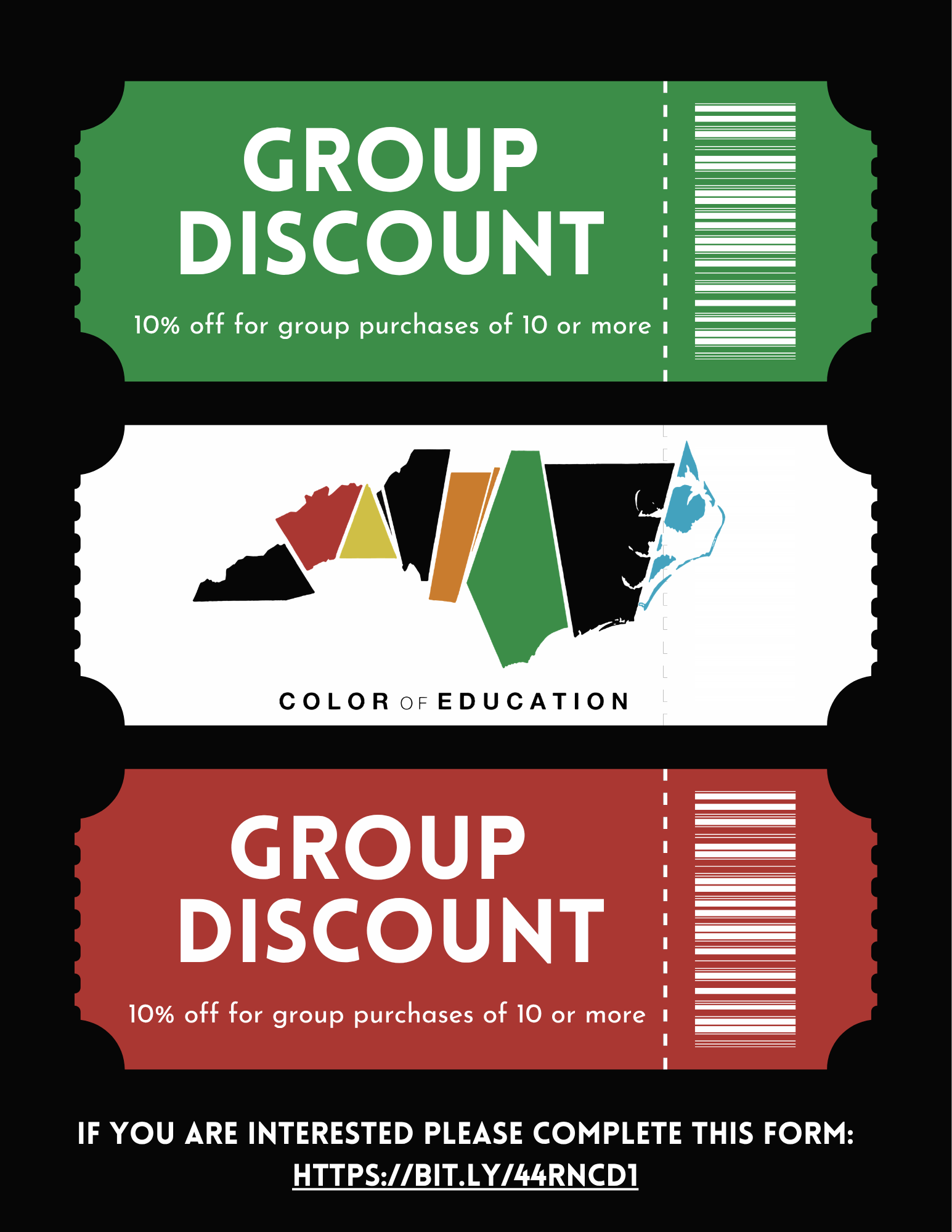
Group Tickets


Opportunities

We invite you to support and participate in this year’s Summit by applying to be a vendor, purchasing a program ad, or submitting a presentation proposal.
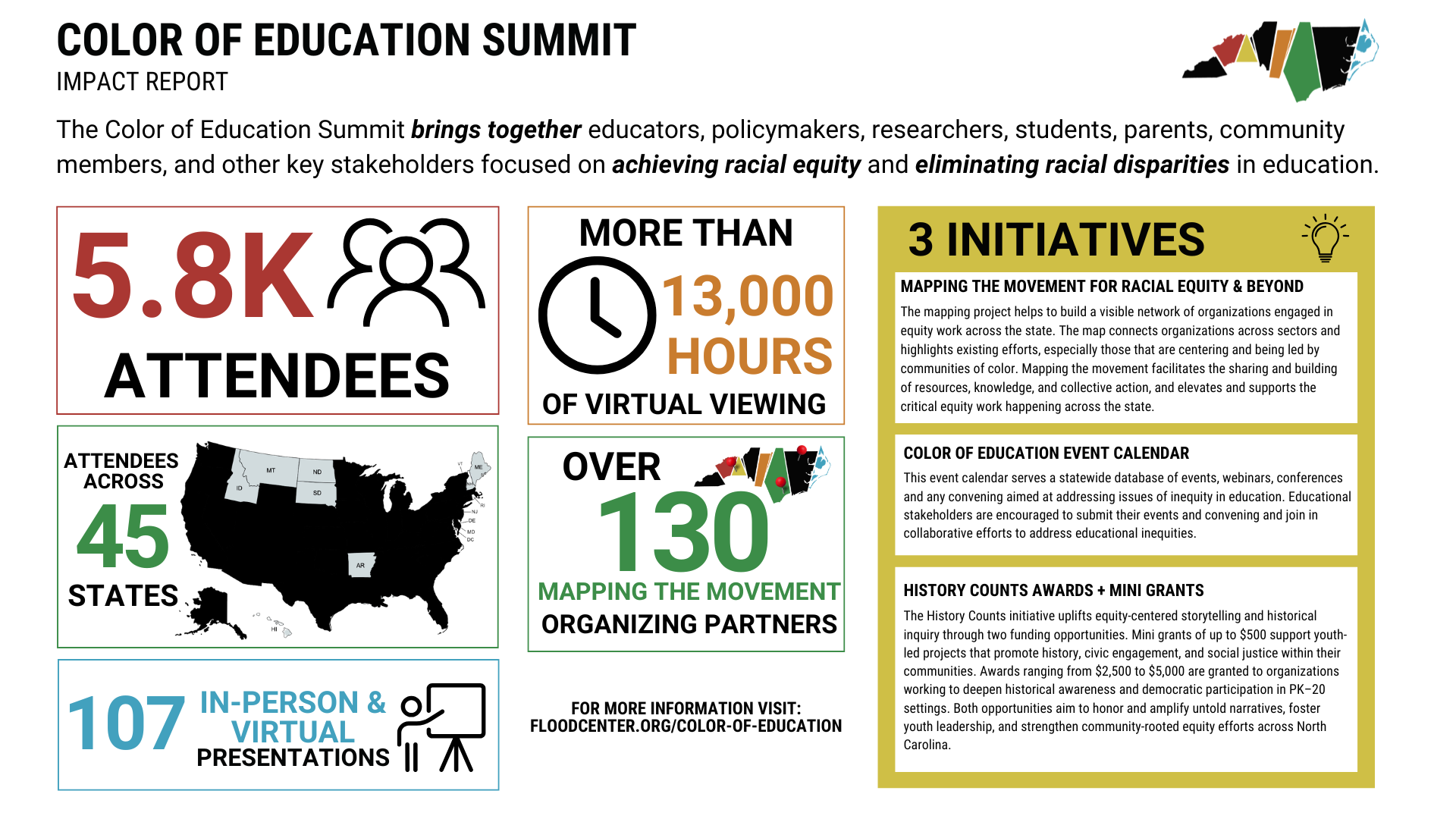
Color of Education Impact


To learn more about previous Color of Education Summits visit: https://floodcenter.org/color-of-education-summit/
Tentative Agenda
02
Welcome Remarks - Virtual Session
Dr. Keisha Bentley-Edwards
Start
9:30 AM
End
10:00 AM
One State’s Historical and Contemporary Resistance and Obstruction to Landmark Federal Education Reform for Equitable Opportunity - Virtual Session
From the landmark Brown v Board decision through the reauthorization of the Elementary and Secondary Education Act (ESEA) of 1965 via The No Child Left Behind (NCLB) Act of 2001, states have often implemented strategies that undermine the intent of these federal policies. This analysis traces the historical implementation of one state’s responses to Brown v Board and No Child Left Behind and substantiates that despite continuous assertions of federal intent for educational equity, states have repeatedly employed strategies that undermine federal intent. Using a bottom-up theoretical lens (Sabatier, 1986), this paper combines both historical analysis and qualitative research to reveal that the state of Georgia has consistently obstructed federal legislation dating as early as Brown v. Board.
Sheryl Croft
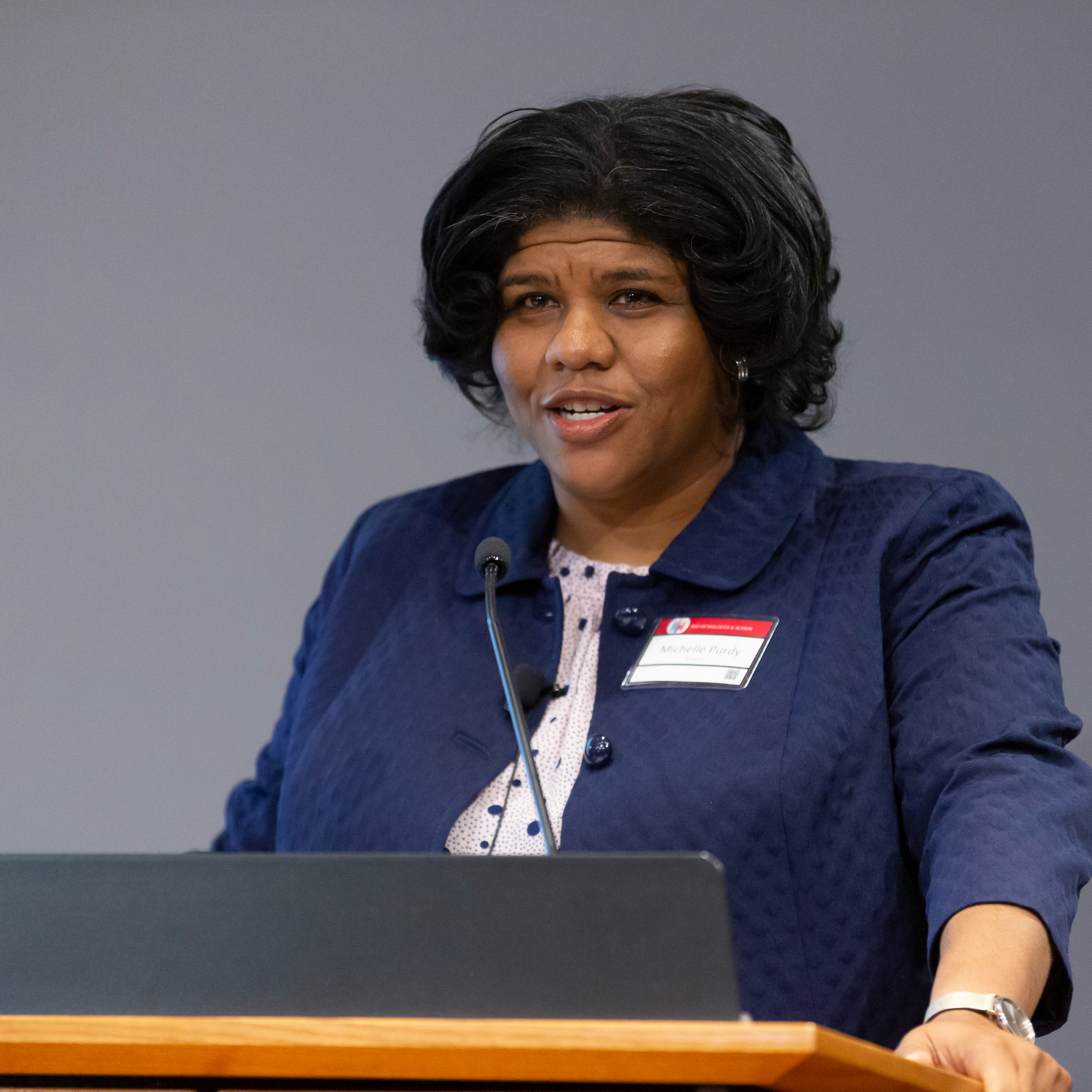
Dr. Michelle A. Purdy
Start
10:15 AM
End
11:15 AM
Future Proof: Learning + Leadership In a Skills Based Economy - Virtual Session
Dr. Mary Hemphill
Ahmya Rivera
Daisy Conway
Charlotte Dungan
Karen Hemphill
Loreli Medina
Dr. Deanna Townsend-Smith
Dr. Leslie Maniotes
Dr. Sharon Torrence-Jones
Start
12:00 PM
End
1:00 PM
Keynote Address - Bishop William Barber II - Virtual Session
Bishop William Barber II
Start
2:00 PM
End
3:00 PM
An American Education: Reckoning with Race and Education in America - Virtual Session
The documentary, An American Education traces the history of West Charlotte High School, a historically Black high school in Charlotte, North Carolina, through the lens of Swann v. Charlotte-Mecklenburg Board of Education–the landmark case that brought court-ordered busing and integration to Charlotte’s schools in the 1970s. Rather than treating integration as a policy footnote, the film follows what happened after the buses arrived: how West Charlotte became a successfully integrated, family-oriented school  community that generations of alumni remember as one of the most harmonious and utopic environments of their lives.

Told from the perspective of a recent West Charlotte graduate and student filmmaker, the documentary connects that history to a present-day question: what does it take to actually choose integrated spaces and be willing to step out of our comfort zones? Following the screening, a panel of current West Charlotte students will speak to their own experience of race, diversity, and belonging at the school today, alongside alumnus Jay Ferguson, whose father was one of the civil rights attorneys who was involved with both the Swann case that began busing and the Capaccione case that ended busing.
Jay will help bridge the legal and historical history of desegregation with students’ lived, present-day experience, then open the conversation to the audience.
Thai Bonapart
William “Braxton” Britt
Liam Hasselmann
Joshua Brown
Jay Ferguson
Start
3:30 PM
End
4:30 PM
Beyond One Leader: Sustaining Justice Through Collective Responsibility - Virtual Session

Meaningful change should be built to last not tied to one leader, one initiative, or one moment in time.

In this interactive practice lab, participants will examine why promising efforts to expand opportunity and improve student outcomes sometimes lose momentum and what leaders at every level can do about it. Through real-world scenarios, collaborative problem-solving, and hands-on planning, participants will uncover where their work may be too dependent on individuals and explore strategies for building shared ownership, leadership capacity, and accountability.

Whether you lead a classroom, school, district, team, or organization, you’ll leave with practical tools and a focused action plan for embedding justice-centered priorities into everyday systems and practices so meaningful change can take root, grow, and endure.
 
Dr. Latreicia Allen
Start
5:00 PM
End
6:00 PM
03
Breakfast, Registration, and Networking (In-Person Only)
McKimmon Center
Start
9:00 AM
End
9:35 AM
Welcome, Summit Kickoff, Poetry Experience (In Person + Virtual)
Room 1
Dr. Deanna Townsend-Smith
Margaret Adjoga-Otu
Start
9:40 AM
End
10:15 AM
Morning Keynote - Marley Dias (In-Person + Virtual)
Room 1
Marley Dias
Start
10:20 AM
End
11:10 AM
Networking/Vendor Showcase/Book Signing (In-Person Only)
Room 1
Start
11:15 AM
End
11:45 AM
Morning Breakout Session 1 - Reading What Power Tried to Erase: Democracy in Place and the Geography of Educational Justice (In-Person + Virtual)
Racial inequity is written into the places students inhabit: neighborhoods reshaped by urban renewal, monuments that elevate some stories and silence others, waterfronts marked by labor and resistance, and historic sites where public memory remains contested. Democracy in Place turns North Carolina into a classroom by helping educators investigate where democracy has been built, denied, contested, and reclaimed.

Grounded in Carolina K-12's 2026 Mountains and Harbors of Democracy teacher retreats, this interactive session uses Asheville and Wilmington as case studies. Participants will examine how The Block, the YMI Cultural Center, Cherokee sovereignty, urban renewal, Wilmington's 1898 coup, Black political power, the maritime Underground Railroad, and United States Colored Troops history reveal relationships among race, place, public memory, and civic power. The retreats serve as evidence for a larger, transferable approach rather than as the session's endpoint.

Participants will use a Place Audit protocol to analyze a photograph, map, or local site: What happened here? Who held power? Whose account shaped the public story? What evidence or voices are missing? How does this history shape the community now? What can students investigate, create, or change? Attendees will then begin a standards-aligned local inquiry for their own school or community. This structure repairs historical erasure by centering primary sources, community knowledge, and the agency of Black and Indigenous people, while equipping educators to teach contested history without teaching alone.
Room 3
Cori Greer-Banks
Jessie Francese
Start
11:55 AM
End
1:00 PM
Morning Breakout Session 2 - From Sacred Sites to Our Own Streets: What Is Possible When Immersion and Inquiry Meet Black History — Lessons from Bridge Builders (In Person + Virtual)
Bridge Builders emerged through the larger funded initiative - Spurring Collaborative Educational Agendas, which convened scholars, activists, educators, and community leaders around a central question: How do we build a sustained strategy to educate, equip, and inspire Black children for the future? Rather than creating another isolated educational program, the initiative sought to connect existing relationships, organizations, and expertise into a collaborative infrastructure capable of supporting long-term educational change.

During this session young scholars who participated in this expereince will present what they learned and how the expereince prepares them to build a better future. 
Room 4
Bakari Craft
Elijah Justice “EJ” Crawford
Khloe Dotson
Nnamdi Ebubedike
Joyah Horton
Myles Jackson
Jalen Lewis
Anaya Newbill
Hana O. Nur
Ilhan Nur
Joel Ureña
Kaya Williams
Camille Adrienne Elise Wrights
Danita Mason-Hogans
Simona Goldin
Cherrel Miller Dyce
Sheryl Croft
Vincent Willis
Katrina Huffman
Start
11:55 AM
End
1:00 PM
Morning Breakout Session 3 - Rising Teacher Voices: Students Transforming Classrooms and Communities (In-Person + Virtual)
What happens when future educators are empowered to help transform classrooms and communities?

This student-led panel will bring together NC State College of Education students from Teaching Fellows, Transformational Scholars, SAY Village, and outreach initiatives to share how their experiences have shaped their identities as educators, their understanding of educational equity, and their commitment to serving diverse students and communities.

Grounded in the 2026 Color of Education theme, Justice Rising: Restoring, Repairing, and Resisting, the session will center student voices as a source of knowledge, leadership, and action. Panelists will reflect on the experiences, relationships, and opportunities that have influenced their pathways into education and examine how those experiences are preparing them to become teachers who recognize and challenge inequity.

Particular attention will be given to teacher diversity and culturally responsive pedagogy. Students will explore how their identities, lived experiences, community engagement, and teacher preparation experiences shape how they understand the students and communities they hope to serve. They will also consider what it means to develop culturally responsive practice not simply as a set of instructional strategies, but as an ongoing commitment to understanding students, honoring community knowledge, and responding to inequitable systems.

The session will be intentionally student-led and co-designed. Rather than positioning students solely as recipients of teacher preparation, the panel will position them as emerging teacher leaders with valuable expertise about the future of the profession.
Room 5
Dr. Trisha Mackey
Samantha Duke
Kathleen Harrell
Start
11:55 AM
End
1:00 PM
Morning Breakout Session 4 - From Counterstories to Institutional Repair: Sustaining Racial Equity When Accountability Systems Change (In-Person + Virtual)
What happens when racial inequities persist, legal protections remain, but the accountability systems designed to make those inequities visible begin to change?

This question is increasingly urgent for educational leaders. Proposed changes to federal special education accountability would narrow some race-disaggregated reporting related to discipline and disability identification. At the same time, longstanding disparities affecting Black students remain. This evolving landscape raises a consequential leadership question: If external accountability systems ask fewer questions about racial inequity, will our institutions continue asking them?

Grounded in narrative inquiry research with Black educational leaders across U.S. school systems, this interactive Practice Lab examines how lived experience can become evidence for institutional repair. The underlying study explored Black educational leaders' experiences of exercising - or being constrained from exercising - power to influence policies affecting educational equity, with particular attention to the disproportionate identification of Black students in special education. Their counterstories illuminate not only inequitable outcomes, but also the policies, professional practices, assumptions, leadership decisions, and organizational conditions through which inequity can be reproduced or interrupted.

Participants will engage with an Institutional Repair Framework organized around six actions: See, Listen, Diagnose, Translate, Repair, and Account. The framework begins with a simple premise: institutions cannot repair inequities they do not have the capacity - or commitment - to see.

Using research findings and an applied problem of practice, participants will examine how quantitative data and lived experience can be combined to diagnose systemic inequities rather than simply document disparities. They will then translate evidence into coordinated repair across three levels: policy, including rules, procedures, and decision criteria; leadership, including how authority, advocacy, and accountability are exercised; and organization, including structures, routines, capacity, collaboration, and systems that allow equitable practices to endure.

Participants will also distinguish between equity practices maintained because they are externally required and those an institution chooses to sustain because they are necessary for understanding and addressing inequity.

Each participant will leave with an Institutional Repair Action Map identifying an equity problem within their own context, evidence needed to understand it, potential root causes, proposed policy, leadership, and organizational interventions, and indicators for assessing whether repair is producing more equitable outcomes.

The session ultimately moves participants from asking, "What are we required to measure?" toward a more enduring question: "What must we remain committed to seeing, repairing, and holding ourselves accountable for?"
Room 6
Katrina Huffman
Start
11:55 AM
End
1:00 PM
Morning Breakout Session 5 - Igniting Rural Potential: Transforming Classrooms and schools through Rural Teacher Leadership (RTLN) - (In-Person Only)

Rural school districts across North Carolina hold unique strengths, yet educators often face distinct challenges in navigating educational policy, equity gaps, and student wellness. Hosted by the North Carolina Public Schools Forum and the Dudley Flood Center for Educational Equity and Opportunity, the Rural Teacher Leadership Network (RTLN) empowers rural educators to drive systemic change from within their own classrooms and communities.

In this dynamic breakout session, presenters Shana Troublefield and Jeffrey Rudnik highlight how the program fosters teacher leadership across North Carolina’s rural districts. Attendees will gain an inside look at the core components of RTLN, including immersive training in educational policy, advocacy, trauma-informed practices, and social-emotional learning (SEL).

Through compelling video testimonies from program participants, this session illustrates how teachers translate their learning into real-world action. Presenters will showcase actual equity-focused community projects completed by RTLN fellows—projects designed to build safer, more supportive, and culturally responsive learning environments for rural students.

Whether you are a rural educator looking to expand your impact, a school administrator seeking to support teacher leaders, or an advocate for educational equity, join us to see how investing in rural educators directly transforms student outcomes across North Carolina.
Room 7
Jeffrey Rudnik
Shana Troublefield
Start
11:55 AM
End
1:00 PM
Morning Breakout Session 6 - Using a Moral Injury Framework to Confront the Legal Landscape Post SFFA (In-Person Only)
Since the 2023 Supreme Court opinion striking down the admissions practices at Harvard and the University of North Carolina, the legal constraints on creating inclusive learning spaces have grown rapidly and significantly. These include changes in the case law, changes in administrative enforcement priorities and regulations, and legislative changes. In addition, the dismissal of the Leandro v. State case in 2026 dealt another blow to the efforts to ensure that children in North Carolina have opportunities to receive a sound, basic education.

The purpose of this presentation is first to provide participants with information about the current legal landscape, and then second, to acknowledge the moral injury and distress the current landscape has created for those working to repair the harms pervading our education system.
Room 8A
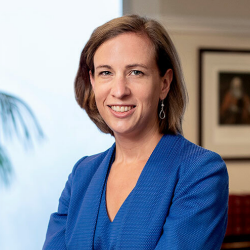
Elizabeth Troutman
Start
11:55 AM
End
1:00 PM
Morning Breakout Session 7 - Democratizing the Future Economy: Using Unplugged Computational Thinking to Amplify Rising Youth Voices (In-Person Only)
In the modern educational landscape, access to high-demand technological skills remains a stark dividing line across the opportunity gap. True educational justice requires strategic, systemic action that equips historically underrepresented youth—specifically minority, female, and rural students—to actively shape the future economy rather than survive it.

This interactive Practice Lab introduces participants to a scalable, culturally responsive pedagogical model designed to cultivate high-level computer science competencies without relying on expensive hardware or screens. Moving past a sole focus on digital devices, this session centers on the "Human Bridge"—the powerful nexus of instructional leaders, community educators, and students collaborating to foster authentic STEM identities.

Participants will step into the framework by engaging in a live simulation of a youth-led "STEM Spark Challenge." Working in collaborative teams, attendees will utilize simple, low-cost structural protocols to practice algorithmic design, decomposition, and systems thinking to address community-defined problems. The session demonstrates how shifting power dynamics to a youth-led model elevates student perspective directly into actionable leadership. Attendees will leave with a downloadable "Future-Proof STEM Toolkit" containing adaptable, unplugged lesson plans, rubrics, and implementation roadmaps grounded in equity, enabling them to instantly construct inclusive STEM spaces in their local communities.
Room 8B
Moni Singh
Start
11:55 AM
End
1:00 PM
Morning Breakout Session 8 - THE REVOLUTION NEEDS YOU ALIVE Radical Care, Ancestral Wisdom & the Sustainability of Resistance (In-Person Only)
Justice work has always demanded courage. It should not demand our destruction.

Across education, advocacy, organizing, and community leadership, the people fighting hardest to repair inequitable systems are often expected to do so while absorbing the very harm they are working to dismantle. We normalize the late nights. We glorify sacrifice. We wear exhaustion as evidence of commitment. We tell ourselves that the work is too urgent to stop.

And eventually, the people carrying the movement begin disappearing from it.

The data tell part of the story. A 2024 Center for Effective Philanthropy study found that 95% of nonprofit leaders expressed concern about staff burnout, with more than one-third reporting that burnout was “very much” a concern. Research examining racial justice activists has similarly identified activist burnout as a distinct phenomenon produced by the accumulated emotional and physical demands of sustained justice work. For activists of color, the burden can be compounded: research found that racial battle fatigue hastened activist burnout while activist commitments simultaneously intensified racial battle fatigue.

Burnout, then, is not simply a wellness problem. It is a sustainability problem. And for those engaged in racial justice work, it can become a justice problem.

The Revolution Needs You Alive is an intense, reflective, and highly interactive Practice Lab that challenges the culture of martyrdom embedded in justice and equity work. Drawing upon ancestral traditions of resistance, Audre Lorde’s framing of self-preservation as political warfare, the legacy of Fannie Lou Hamer, research on activist burnout and racial battle fatigue, and contemporary understandings of collective care, participants will examine a provocative question:

What if caring for ourselves is not stepping away from the movement—but one of the strategies necessary to sustain it?

This is not another conversation about bubble baths, vacations, yoga, or temporarily escaping stressful environments only to return unchanged.

This is radical care as resistance.

Participants will examine the physical, psychological, relational, and spiritual costs of continuously carrying justice work; identify the difference between commitment and martyrdom; interrogate the internal and organizational messages that reward depletion; and explore how boundaries, rest, joy, community, grief, restoration, and collective care can function as legitimate strategies for sustaining resistance.

Most importantly, participants will not simply discuss these ideas.
They will build a blueprint.

Using the Revolutionary Sustainability Blueprint, participants will work through six interconnected questions:

WHAT I CARRY — What responsibilities, identities, expectations, injustices, and emotional labor am I carrying?
WHAT I RELEASE — What have I accepted as mine that I no longer need to carry?
WHAT RESTORES ME — What people, places, practices, traditions, and experiences return me to myself?
WHAT I PROTECT — What boundaries are necessary to protect my body, relationships, joy, purpose, and capacity?
WHO HOLDS ME — Where are my communities of care, accountability, belonging, and restoration?
HOW I REMAIN — What must I intentionally practice so that I can remain engaged in this work without sacrificing myself to it?

Participants will leave with a personalized Revolutionary Sustainability Blueprint designed not simply to help them recover from burnout, but to interrupt the conditions and behaviors that continually reproduce it.

Because movements require more than courageous people.

They require people who can remain.

Our ancestors resisted under circumstances many of us can scarcely imagine. They created joy in the presence of terror, community in the presence of exclusion, music in the presence of mourning, and possibility in places designed to produce despair. Their resistance was not simply survival.

It was the insistence upon remaining human.

That ancestral wisdom offers an urgent lesson for today's educators, organizers, advocates, and change agents:

We inherited a struggle.
We do not have to inherit the exhaustion.

The revolution does not need our martyrdom.

The revolution needs us alive.
Room 9
Darian Jones
Start
11:55 AM
End
1:00 PM
Morning Breakout Session 9 - Activating the Power of Archives for Community Storytelling (National Geographic) - (In-Person Only)

Whose stories are preserved, taught, and valued? And who gets to decide? Local archive projects, ranging from family photographs and oral histories to school, church, neighborhood, and community collections, are powerful resources that help us understand our histories, strengthen ties, and create knowledge on our own terms.

This session will explore how youth, educators, and community members can identify, care for, and engage with archival materials already present in their own communities. Presenters will share approaches for community-rooted stewardship of cultural knowledge, along with critical considerations about process, permissions, technical capabilities, ownership, and representation in the historical record.

We will also consider how community-based archival work can respond to cultural erasure and impact the educational canon by broadening what counts as an archive and investigating where stewardship decision authority resides. Panelists will invite attendees to consider how self-determined storytelling and memory-keeping can be strengthened in their own communities. Attendees are encouraged to share their experiences, questions, and ideas throughout. 

Room 10
Tessa Shultz
Lela J. Sewell-Williams
Alexander Soto
Start
11:55 AM
End
1:00 PM
Lunch & Chat with Dr. Dudley E. Flood (In-Person Only)
Room 2
Dr. Dudley Flood
Start
1:05 PM
End
2:00 PM
Afternoon Keynote - Dr. Tressie McMillian Cottom (In-Person + Virtual)
Room 1
Tressie McMillan Cottom
Start
2:05 PM
End
2:55 PM
Afternoon Break (In-Person Only)
McKimmon Center
Start
2:55 PM
End
3:10 PM
Networking/Vendor Showcase/Book Signing (In-Person Only)
Room 1
Start
3:10 PM
End
3:40 PM
Afternoon Breakout Session 1 - Justice Rising Through Educator Pathways: How Duke TeachHouse Supports Access, Belonging, and Retention for Diverse Educators (In-Person + Virtual)
As schools and districts continue to face persistent challenges in recruiting and retaining educators of color, programs that build community, mentorship, and belonging are increasingly essential. This interactive panel brings together current and former Duke TeachHouse fellows alongside program leadership to share firsthand experiences navigating the educator pipeline and sustaining careers in education.

Through a moderated conversation, TeachHouse fellows and alumni will reflect on how residential and nonresidential TeachHouse models have supported their professional growth, leadership development, sense of belonging, and long-term commitment to teaching. Panelists will discuss the role of mentorship, culturally responsive leadership, peer networks, and community engagement in helping diverse educators thrive. Their stories will be complemented by program data and evidence demonstrating the impact of TeachHouse on educator retention and professional success.
Grounded in the Summit theme of Justice Rising: Restoring, Repairing, and Resisting, this session highlights how educator support structures can restore access to the profession, repair the isolation often experienced by early-career educators, and resist inequitable patterns that contribute to educator attrition. Participants will engage directly with fellows and alumni through guided discussion and Q&A, leaving with practical strategies and adaptable ideas for strengthening educator pathways, fostering belonging, and supporting educator retention in their own contexts.
Room 3
Dr. Jan Riggsbee
Dr. Jennifer Mann
Bre' Anna Clinckscales
Maia Solomon
Jessica On
Danielle Samake
Tabetha Jones-Evans
Start
3:45 PM
End
4:45 PM
Afternoon Breakout Session 2 - Young, Rooted, and Ready: How BIPOC Youth Are Leading the Next Wave of Community Organizing (In-Person + Virtual)
Across the country, young leaders of color are no longer waiting for a seat at the table; they are building and bringing their own. Grounded in the 2026 Summit theme, Justice Rising: Restoring, Repairing, and Resisting, this session centers the voices and lived experiences of youth leaders from The Resiliency Collaborative’s Changemaker Fellowship in Raleigh, NC.

Youth panelists have transformed personal experiences with systemic inequity into community-rooted organizing power around youth leadership, mental health, and resilience. Through honest, intergenerational conversation, attendees will explore how Changemaker fellows intersect mental health education with youth-led community impact projects to build stronger communities and advance educational justice.

This session affirms that investing in BIPOC youth leadership is an immediate power-building strategy necessary for resisting inequity and sustaining long-term educational change. Participants will leave with actionable insights on creating genuine space for youth leadership within their own organizations and communities.
Room 4
Kelsey Lam
Sabion Kelley
Start
3:45 PM
End
4:45 PM
Afternoon Breakout Session 3 - Activating the Power of Archives for Community Storytelling (National Geographic) (In-Person + Virtual)
Whose stories are preserved, taught, and valued? And who gets to decide? Local archive projects, ranging from family photographs and oral histories to school, church, neighborhood, and community collections, are powerful resources that help us understand our histories, strengthen ties, and create knowledge on our own terms.

This session will explore how youth, educators, and community members can identify, care for, and engage with archival materials already present in their own communities. Presenters will share approaches for community-rooted stewardship of cultural knowledge, along with critical considerations about process, permissions, technical capabilities, ownership, and representation in the historical record.

We will also consider how community-based archival work can respond to cultural erasure and impact the educational canon by broadening what counts as an archive and investigating where stewardship decision authority resides. Panelists will invite attendees to consider how self-determined storytelling and memory-keeping can be strengthened in their own communities. Attendees are encouraged to share their experiences, questions, and ideas throughout.
Room 5
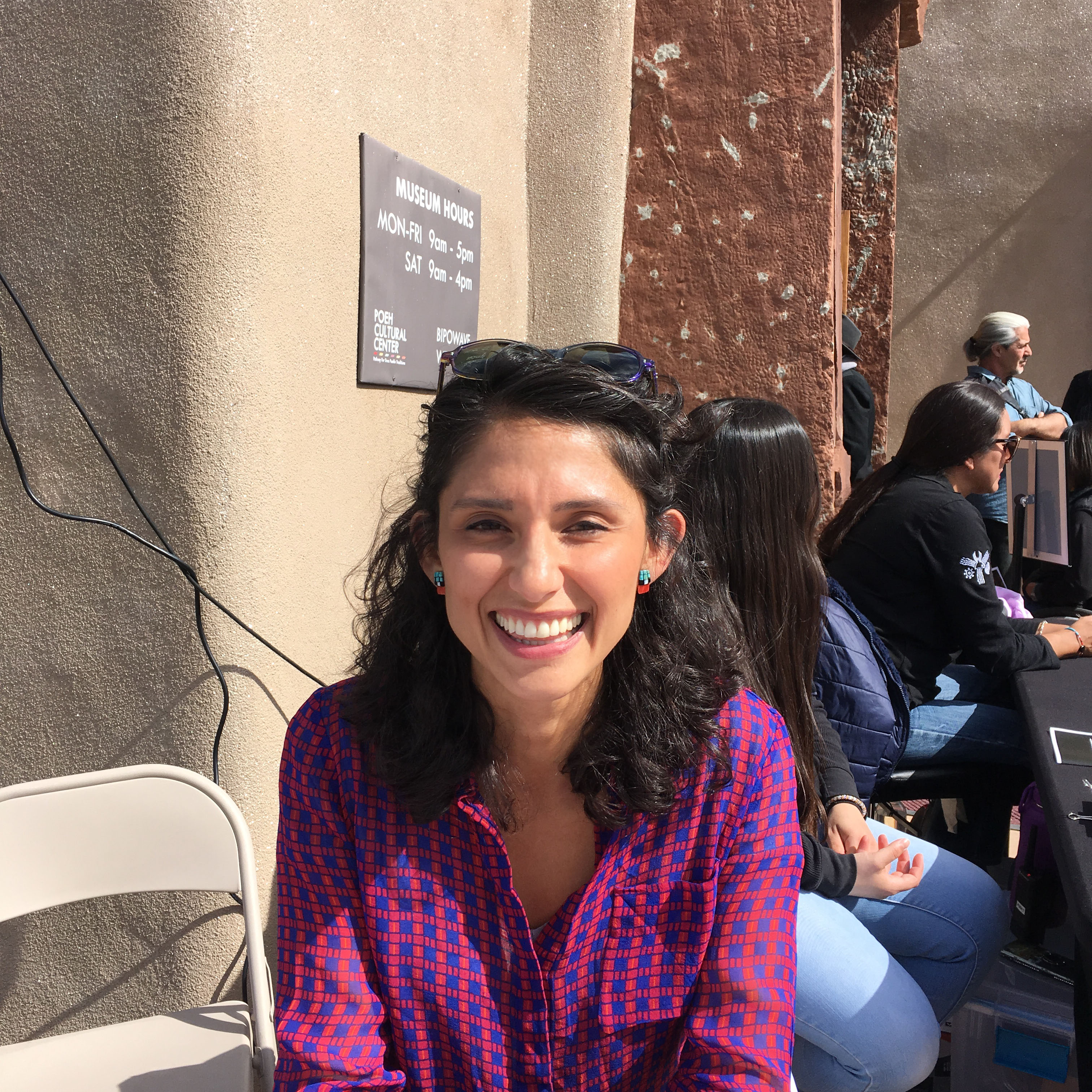
Tessa Shultz
Lela J. Sewell-Williams
Alexander Soto
Start
3:45 PM
End
4:45 PM
Afternoon Breakout Session 4 - Restoring the Table: Voices 2 Action Roundtables as Family-School Educational Justice (In-Person + Virtual)
Decades of research from Karen Mapp's Dual Capacity-Building Framework to the Chicago Consortium's Five Essential Supports confirm what practitioners already feel: schools cannot mandate their way into trust. This session names the gap plainly, then hands participants a working structure to close it. Using the Voices 2 Action (V2A) Roundtable model a mirrored, accountability-driven structure for centering family and student voice in school improvement participants will practice repairing broken engagement patterns, restoring shared power at the decision-making table, and resisting the default posture of one-way, low-trust "random acts of engagement." Participants leave with an adaptable rolling agenda, facilitator checklist, and sign-in template they can bring back to their own building or district.
Room 6
Che-Von Stone
Start
3:45 PM
End
4:45 PM
Afternoon Breakout Session 5 - Experiencing the Shift: Learning Activities That Move Educators Toward Justice (In-Person Only)
Educators are frequently asked to advance equity without being given meaningful opportunities to examine how assumptions, systems, histories, and institutional practices shape their own decisions. In this highly interactive workshop, participants will experience one learning engagement used within a sustained professional learning initiative for middle and high school teachers. The activity is designed to move participants beyond receiving information and into examining assumptions, interrogating inequities, engaging with multiple perspectives, and considering possibilities for action. This activity was identified as the most impactful of their learning, and it will be facilitated by the middle and high school teachers participating in the sustained professional learning initiative.
 
The workshop will revolve around an activity called On a Boat, a decision-making activity in which small groups receive photographs and limited demographic and occupational information about a set of individuals. Faced with a fictional crisis and limited space on a boat, groups must decide whom to include. Participants will explain the reasoning underlying their choices before receiving additional information that complicates their initial perceptions. They will then decide whether to retain or revise their selections and examine how incomplete information, implicit assumptions, stereotypes, perceived social value, and personal experience shaped their decisions.
This activity will help participants examine how inequity is produced or maintained through educational policies, practices, and access to resources and then consider who is affected, whose perspectives may be missing, and what educators can do in response.

Throughout the workshop, facilitators will connect reflection to the Summit theme of repairing, restoring, and resisting. Participants will leave with adaptable learning structures, facilitation considerations, and a plan for using experiential professional learning to support reflection and action in their own contexts.
Room 7
Frances Bryant
Darnesha Brumsey
Karmee Davis
Jasman Smith
Beth Keeter
Allison Streeter
Sheri Golden Perry
Olivia Williams
Dr. Rachelle Savitz
Start
3:45 PM
End
4:45 PM
Afternoon Breakout Session 6 - Dismantling the School-to-Prison Pipeline in NC (In-Person Only)
This 60-minute interactive session examines how North Carolina’s current school discipline statutes and school resource officer (SRO) deployment practices contribute to racial disparities and the school-to-prison pipeline. Led by The Hunt Institute, the session combines a data-focused presentation with structured, timed small-group discussions to analyze state policies against national benchmarks and translate model legislative strategies into actionable local solutions.
Room 8A
Megan A. Zogby, Ed.M.
Start
3:45 PM
End
4:45 PM
Afternoon Breakout Session 7 - Observing Brown's 75th Anniversary by Finally Coming Into Compliance An Integration Playbook (In-Person Only)
Two and a half centuries into the establishment of the Republic, one and a half centuries after the Emancipation Proclamation and Thirteenth Amendment to the Constitution, and 70 years after the United States Supreme Court declared in the Brown decision that separate is inherently unequal, yet the State of North Carolina remains out of compliance and its children of color remain unprotected from racial discrimination in public education. This presentation proposes a goal of compliance with Brown by 2029, and offers a playbook for achieving that ambitious and long-overdue goal.
Room 8B
David Cooper
Start
3:45 PM
End
4:45 PM
Afternoon Breakout Session 8 - Beyond the Classroom: Supporting Mixed-Status Families Through Strategic Resistance, Legal Protection, and Community Trust (In-Person Only)
In an era marked by heightened anti-Latino rhetoric and aggressive immigration policies, mixed-status families—where U.S.-citizen children live alongside undocumented parents—face unprecedented stress, fear, and barriers to education. Rooted in the 2026 Summit theme, Justice Rising: Restoring, Repairing, and Resisting, this 60-minute panel centers the lived experiences of a U.S.-citizen Latina student and an undocumented parent alongside the legal expertise of an immigration attorney and an educator advocate.

Participants will hear firsthand how immigration fears directly impact student attendance, mental health, and academic engagement. The panel will explore how schools can serve as sanctuaries of belonging rather than places of anxiety. Attendees will gain legal clarity on Plyler v. Doe and FERPA protections, along with concrete "DOs and DON'Ts" for educators facing ICE interactions or family emergencies. This session equips participants to move from passive empathy to principled, strategic resistance—protecting student rights, restoring family trust, and repairing systemic vulnerabilities in school defense protocols.
Room 9
Dr. MariaRosa Rangel
Start
3:45 PM
End
4:45 PM
Call to Action & Closing - Hybrid
McKimmon Center
Dr. Deanna Townsend-Smith
Start
4:45 PM
End
5:00 PM
Speakers
Keynotes

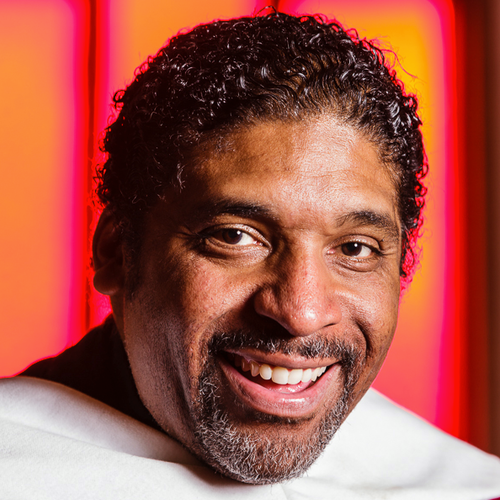
Bishop William Barber II

Bishop William Barber II

Bishop William J. Barber II is President of Repairers of the Breach and Director and Professor in the Practice at the Center for Public Theology and Public Policy at Yale Divinity School.


He serves as Bishop with The Fellowship of Affirming Ministries, Executive Board Member of the Christian Church Disciples of Christ, Co-Chair of the Poor People's Campaign: A National Call For Moral Revival, a Kettering Foundation Senior Fellow, and a Steering Committee Member for the Save America Movement. A moment of a dedicated group of Americans fighting for right vs. wrong, not left vs. right.  


Bishop Barber earned a bachelor’s degree from North Carolina Central University, a Master of Divinity from Duke University, and a Doctorate from Drew University, with a concentration in Public Policy and Pastoral Care. He has received twelve honorary doctorates.


Bishop Barber is the author of five books - the most recent, White Poverty: How Exposing Myths About Race and Class Can Reconstruct American Democracy. He publishes the Substack newsletter “Our Moral Moment” with Jonathan Wilson-Hartgrove.


As a moral leader, Bishop Barber has been arrested more than 15 times in various states for engaging in civil disobedience with those who have been marginalized by systematic racism, poverty, and injustice. A highly sought-after speaker, he has given keynote addresses at hundreds of gatherings, from the 2016 Democratic National Convention to the Vatican.


Bishop Barber preaches regularly in pulpits across the US, including the National Cathedral, where he delivered the homily for President Biden’s Inaugural Prayer Service. He is regularly featured as a commentator on national TV and radio and is the recipient of a MacArthur “Genius Award,” the Franklin D. Roosevelt Four Freedoms Award, and the Puffin Award


Marley Dias

Marley Dias

Activist, Author, Producer, Creator of #1000BlackGirlBooks

Marley Dias is an insightful, dynamic, purpose-driven changemaker who launched the viral #1000BlackGirlBooks campaign and authored Marley Dias Gets It Done: And So Can You! At just 13, she became the youngest person ever named to the Forbes 30 Under 30 list (2018), and her campaign has since collected over 15,000 books, transforming the conversation around representation in children’s literature.

Marley launched #1000BlackGirlBooks in November of 2015, at age 11,  with support from the GrassROOTS Community Foundation.  Frustrated by the lack of Black girl protagonists in her school’s reading lists, she turned a personal frustration into a global movement. Her story quickly went viral, gaining more than 10 billion media impressions and coverage from outlets like The Ellen Show, BBC, CBS This Morning, The Today Show, The View, and NPR. Books have been donated across the U.S. and internationally, including in Jamaica, her mother’s birthplace.

Her bold advocacy earned her invitations to speak on major stages, including the White House’s United State of Women Summit (alongside Michelle Obama and Oprah Winfrey), the Forbes Women’s Summit, the United Nations’ Girl Up initiative, and the Social Innovation Summit. In 2017, Marley received the Smithsonian Ingenuity Award in the Youth Category for her groundbreaking work on literary representation. TIME recognized her as one of the 25 Most Influential Teens of 2018.

As Editor-in-Residence at ELLE, Marley interviewed notable figures such as  Ava DuVernay, Misty Copeland, and Hillary Clinton.  She has also been featured in a Microsoft Commercial, a Disney World Resorts digital campaign, and a Walmart Black History Month campaign, to name a few of her partnerships.  Her voice has appeared across outlets like Teen Vogue, Refinery29 Unbothered, Glamour, and more. Marley also sits on the first youth board of directors for Hello Sunshine, founded by Reese Witherspoon, and has sat on the Glamour Women of the Year awards advisory board for many years. 

In 2020, Marley became Executive Producer and host of the Netflix series Bookmarks: Celebrating Black Voices, featuring celebrities reading books by Black authors. The series earned a 2021 NAACP Image Award nomination for Outstanding Children’s Program, expanding her influence in children’s media and storytelling.


In April 2022, Marley was invited to the White House for a policy briefing hosted by Gender Policy Council Director Jen Klein and Ambassador Susan Rice, where she joined a select group of young women to advise on addressing the national mental health crisis. 

Her work would not be possible without the GrassROOTS Community Foundation (GCF), co-founded by her mother, Dr. Janice Johnson Dias. GCF is a public health and social action organization that funds, supports, and scales wellness programs for women and girls. Marley and fellow “Super Girls” from GCF launched Green Ribbon Week, a youth-led initiative to raise awareness about teen mental health.

Currently, Marley is a student at Harvard University, where she writes for The Harvard Crimson. She continues to serve as the National Education Association’s (NEA) National Ambassador for their Read Across America campaign. Additionally, Marley recently joined the Congressional Black Caucus Foundation’s National Racial Equity Initiative (NREI)  Advisory Board. 

In 2024, Marley was honored as a Youth Laureate by the United Nations Young Activist Summit, where she was the only American recognized that year, solidifying her place as a global leader in youth advocacy and social justice. Additionally, Marley was named a 2024-2026 Voyager Scholar and was awarded the Obama-Chesky Scholarship for Public Service.

That same year, students at View Park Prep K-8 Elementary School in Los Angeles established a new library and chose to name the space after Marley in recognition of her impact on literacy, education, and representation. Marley considers the naming of the Marley Dias Library one of her greatest honors.

In 2025, Marley launched Third Space, a weekly newsletter that serves as an ode to storytelling and the spaces it creates. Third Space is not a creative studio nor a forum, but the beginning of a long-term vision, one that invites readers to explore culture, identity, and imagination through Marley’s evolving lens as a young leader and writer.

On June 2, 2026, Scholastic will release Marley’s latest book, I Am The Dream Come True.From viral campaigns to global platforms, Marley Dias is not just amplifying voices; she’s shaping the future of storytelling, leadership, and equity in the 21st century.


Her #1000blackgirlbooks resource guide can be found here. 

Notable Coverage

Tressie McMillan Cottom

Tressie McMillan Cottom

Award-winning writer, sociologist, and cultural critic Tressie McMillan Cottom is celebrated for her profound yet personal ideas and the dynamic accessibility of her analysis. Dr. Cottom’s first book, Lower Ed: The Troubling Rise of For-Profit Colleges in the New Economy, led to appearances on The Daily Show, NPR’s Marketplace and Fresh Air, and has been name-checked by Senators Bernie Sanders and Elizabeth Warren and activists like The Debt Strike Collective. Since the release of her second book, Thick: And Other Essays, Dr. Cottom’s career has skyrocketed. Thick became a Finalist for the 2019 National Book Award, and the following year Dr. Cottom received a MacArthur Foundation Fellowship – known as the ‘genius grant’. Her work is prolific – beyond her books and celebrated New York Times opinion column, she has written a Substack newsletter “Essaying,” is a contributor for Vanity Fair, co-hosted the Black feminist podcast Hear to Slay with Roxane Gay, and has sat in as a guest host for The Ezra Klein Show. Her books have become modern classics, and her commentary is in demand on a wide range of topics like inclusive marketing, creating policy narratives, technology, the future of democracy, and the cultural zeitgeist.

Dr. Cottom is a public academic whose work is as impactful on Twitter as it is in groundbreaking research, and continually reimagines how our society might function better on behalf of the most marginalized. She has a devoted fanbase for her essays (Tressays, as her fans call them), which defy the form – she explores the intersections of race, class, and gender, in the same breath as incisive pop culture critique and personal history. Dr. Cottom is currently a professor at the University of North Carolina-Chapel Hill and is sought after as a consultant for both global brands and on Capitol Hill.  In her writing, as well as in luminous keynotes and moderated conversations, Dr. Cottom tells creative stories of her research and herself – taking theory into real-world understanding for audiences of all kinds.

Otro

Ahmya Rivera

Ahmya Rivera


Alexander Soto

Alexander Soto

’A:ñi ’añ hab ce:gig Alex Soto. ’A:ñi ’añ ’ab ’amjeḍ Komkcʼeḍ ʼe-Wa:ʼosidk. Ñ-o:g ’o hab ce:cig Joseph Charles. Ñ-woskbaḍ c ñ-ka:abaḍ ’o hab cecgig Romero c Mary Charles. Ñ-je’e ’o hab ce:gig Matilda Miguel. Ñ-bababaḍ c ñ-hu’lbaḍ ’o hab cecgig Andrew c Rachel Miguel.

Alexander Soto (Tohono O’odham) is the Director of the Labriola National American Indian Data Center at ASU Library. Under his leadership, the Labriola Center has implemented culturally informed  research support services and has Indigenized ASU’s community-driven archives initiative for Tribal communities. Alex’s journey to librarianship comes after years of success as a touring hip-hop musician/educator and activist. During graduate school, Alex realized the importance of information literacy within Tribal communities and the role of reparative archives in strengthening Indigenous sovereignty. Alex co-authored ASU Library’s first land acknowledgement statement. He received his M.A. in Library and Information Science from the University of Arizona and received his B.S. in American Indian Studies from Arizona State University.

Allison Streeter

Allison Streeter
Allison Streeter is a middle school science and social studies educator committed to creating meaningful, equitable opportunities for young people. My background in education, public safety, behavioral health, and youth development has shaped my understanding of the systems that influence students’ experiences and opportunities. I’m passionate about elevating student voice, removing barriers, and helping young people feel seen, supported, and empowered to recognize their potential.

Anaya Newbill

Anaya Newbill

Anaya Newbill is a senior at Carrboro High School from Carrboro, North Carolina and a participant in the Bridge Builders Program. She is passionate about helping others elevate and thrive in life. She believes that education is important to everyone in different ways, and it important to keep your peers educated on all history.


Bakari Craft

Bakari Craft

Bakari Craft is a sophomore at J. D. Clement Early College High School from Durham, North Carolina and a participant in the Bridge Builders Program. He enjoys fencing, occasional reading, researching computer components, and spending time with his friends and family. He hopes that the future of education will include more black involvement in STEM, STEAM, and leadership programs.


Beth Keeter

Beth Keeter
Beth Keeter has been working in formal and informal education for the past 37 years. Teaching 2nd grade AIG to University students, Aquariums, A Zoo and Museum, she will tell you her best job ever is being mom to Alyssa and McKenna and now grandma to three little boys. 

Bettina Umstead

Bettina Umstead
Bettina Umstead believes that every child is born with purpose and potential, yet the impacts of systemic racism create significant barriers for children of color to thrive. Her ten years of work at a community based non-profit, led to her interest in systemic change to have a greater impact on the lives of students and families. In 2016, she was appointed to the Durham Public Schools Board of Education, where she currently serves as Board Chair. She also works at The Equity Collaborative to support changing systems through working with the people within them.

Brandi Hinnant-Crawford

Brandi Hinnant-Crawford

"Dr. Hinnant-Crawford is a leading national scholar in improvement science, one of our Ed.D. program’s signature pedagogies,” wrote Kim Winter, dean of the CEAP. “She is a dynamic and engaging teacher who will be able to positively support our doctoral students. Dr. Hinnant-Crawford’s experiences in educational leadership at the state and national levels, in addition to her passion for policy-to-practice articulation (e.g., work that leads to action) are invaluable assets to our college and this university.”

Over the course of her career, Hinnant-Crawford has chaired dozens of academic committees, including 35 dissertation committees, 10 of which were WCU disquisition committees. She has published six books, including “Improvement Science in Education: A Primer,” which was awarded the 2026 Gloria J. Ladson-Billings Outstanding Book Award from the American Association of Colleges for Teacher Education. She was also selected as a keynote speaker for the 2024 Improvement Conference, the largest meeting of education leaders of its kind in the country.

Bre' Anna Clinckscales

Bre' Anna Clinckscales
Bre'Anna Clinkscales is an early-career Durham Public Schools educator currently
teaching Science at Jordan High School. She is a third-year Duke TeachHouse Fellow.

Camille Adrienne Elise Wrights

Camille Adrienne Elise Wrights
Camille Adrienne Elise Wrights is a native of Mobile, Alabama, and a 10th grader at St. Paul’s Episcopal School in Mobile, Alabama, where she has been on the Headmaster’s list every year. She is a member of the Bridge Builders program, the school’s book club and Robotics team, and student government representative. She has played varsity soccer and cross country since 7th grade. In 2024, she was named defensive soccer player of the year , and last year she was named to all-county for cross country and all-county and all-state for soccer. She is passionate about knowing herself and her history.

Charlotte Dungan

Charlotte Dungan

Che-Von Stone

Che-Von Stone
Che-Von N. Stone is the Senior Director for the Elementary Regional Achievement and School Support team (Region 1) in the Wake County Public School System, where she leads with a deep passion for excellent teaching, joyful learning, and positive outcomes for all children. With over 24 years of experience in public education—as a teacher, assistant principal, principal, and now district leader—Ms. Stone has dedicated her career to creating systems and structures where every child can thrive. 

Cherrel Miller Dyce

Cherrel Miller Dyce
Cherrel Miller Dyce is a Professor and Executive Director of Diversity, Equity, and Inclusion at the Dr. Jo Watts Williams School of Education at Elon University. With over twenty-seven years of experience in social justice work, she is a fierce social justice advocate, K-20 researcher, mentor, and social theorist. Dr. Dyce believes in uplifting marginalized communities through education.  She has published many journal articles and three books. Her recent co-authored book is Black Males Matter: A Blueprint for Creating School and Classroom Environments to Support Their Academic and Social Development. She serves as an education consultant across the United States.

Cori Greer-Banks

Cori Greer-Banks
Cori Greer-Banks is an educator, historian, and Director of Carolina K-12 at UNC-Chapel Hill's Carolina Public Humanities. A former middle-grades humanities teacher, she designs inquiry-driven professional learning that connects local history, public memory, equity, and civic life. Her work helps educators uncover marginalized voices, partner with community knowledge holders, and translate place-based experiences into rigorous classroom inquiry. Greer-Banks was named the 2024 North Carolina Council for the Social Studies Middle School Teacher of the Year and received the 2023-2024 Outstanding Teacher of North Carolina History Award. She serves as Vice President of the North Carolina Council for the Social Studies and has been a Pauli Murray Center Fellow and an America 250 NC Freedom Fellow. She holds a master's degree in English and a bachelor's degree in history.

Daisy Conway

Daisy Conway

Daniela Salazar-Santos

Daniela Salazar-Santos
Daniela Salazar-Santos is an early-career Durham Public Schools educator currently
teaching Kindergarten at Lyons Farm Elementary School and a second-year Duke
TeachHouse Fellow.

Danielle Samake

Danielle Samake
Danielle Samake is pursuing a Master of Arts in Teaching at Duke University. She is a first- year Duke TeachHouse Fellow.

Danita Mason-Hogans

Danita Mason-Hogans

Danita Mason-Hogans is a native of Chapel Hill NC for seven generations of “movement people” on both sides of her family. She is a Public Memory Specialist, local historian and curriculum specialist who has been an education activist for over thirty years.  She collaborates with today's activists and SNCC veterans at Duke for the Critical Oral Histories Component which she helped to adapt. Danita is a 2022/23 NEH fellow with the Oral History Association. She works with school systems, universities, activists and historians to document local and national history from the “inside out” and from the “bottom up”. Her current advocation is for a no cost education program and cost-free college tuition for the descendants of the enslaved laborers at UNC. 

Local stories connect us to national struggle. Chapel Hill History from the inside out and bottom up. 

Darian Jones

Darian Jones

Dr. Darian C. Jones, PhD, MBA, LCMHC, ACC, is a North Carolina native, internationally recognized speaker, educator, executive coach, mental health practitioner, author, and racial justice advocate whose three-decade career sits at the intersection of education, systems change, racial justice, leadership, and healing.

Dr. Jones began his career as a North Carolina teacher and spent 20 years leading high schools before serving as a district leader, charter school founder and board member, and senior leader with the North Carolina Department of Public Instruction. A former Racial Equity Institute trainer, he has spent decades helping educators and organizational leaders interrogate systemic racism, redesign inequitable systems, and move beyond performative equity toward structural change.

His work brings a decolonized mental health and wellness lens to systems change, examining racial battle fatigue, grief, identity, belonging, psychological safety, and the human cost of continuously navigating—and resisting—oppressive systems.

Dr. Jones is currently headlining and presenting at national conferences on Systemic Racism & Systems Design and Strong Men Bleed in Silence, his work examining the psychological safety and emotional survival of Black boys and men. He is also an invited panelist with the New Jersey Coalition Against Sexual Assault (NJCASA) for a national conversation on Media, Culture, & Harmful Norms, examining how culture, narrative, masculinity, identity, and systems normalize harm.

His first two books extend this body of work. First Phone Calls, forthcoming Fall 2026, explores Black boyhood, Black male grief, loss, love, and the complicated inheritance of learning to survive what we were rarely taught how to mourn. His second book, forthcoming Spring 2027, STOLEN HARVEST: New Cotton in the Apartheid Promiseland and the Seeds of Liberation, interrogates the systemic harvesting of Black possibility while reclaiming the ancestral, educational, and liberatory seeds necessary to imagine something different.

Across classrooms, principalships, state departments, boardrooms, counseling spaces, and national stages, Dr. Jones has spent his career asking systems to become more human. His current work asks those fighting to transform those systems an equally urgent question:

How do we fight for liberation without sacrificing ourselves in the process?

We inherited a struggle. We do not have to inherit the exhaustion. The revolution needs us alive.

Darnesha Brumsey

Darnesha Brumsey
Darnesha Brumsey is an educator, curriculum designer, author, and entrepreneur who advances equity and inclusion through movement, wellness, and outdoor learning. A certified Dance, Physical Education, and CTE educator and NC East Alliance Ambassador, she creates interdisciplinary experiences that help students build confidence, creativity, connection, and leadership. 

David Cooper

David Cooper
David Cooper attended public schools in Lynchburg, Virginia. He earned an A.B. degree in Biological and Medical Sciences from Brown University. At UNC-Chapel Hill he received Master’s and Doctoral degrees in Special Education, taught in the Alamance-Burlington School System, and was a research fellow at the Frank Porter Graham Child Development Center. Cooper served for 25 years on the faculty in Education at the University of Maryland. He was a Professor of Education and Dean of Education at Elon University, and retired in 2016. With Dr. Laura Handler, he co-founded The 1868 Project which aims to revive and build upon the Brown court's assertion that segregation is inherently unequal. 

Dr. Deanna Townsend-Smith

Dr. Deanna Townsend-Smith

Dr. Deanna Townsend-Smith is a strategic leader, coalition builder, and expert in advancing opportunity and access within public education. With over 20 years of experience, she has led transformative efforts across North Carolina and beyond as a teacher, mentor, new teacher coach, administrator, and school turnaround expert. She previously served as Director of Board Policy and Operations for the North Carolina State Board of Education and as Assistant Director in the NC Office of Charter Schools.

Dr. Townsend-Smith holds a doctorate in Educational Leadership, equipping her with a deep understanding of how effective leadership, sound policy, and data-driven decision-making shape school systems. Her background in curriculum and instruction further enhances her ability to design, evaluate, and scale high-quality educational programs that meet the diverse needs of students and educators.

She is widely recognized for her creative, results-driven approaches to solving complex challenges in education. Her work emphasizes building collaborative partnerships, aligning resources, and empowering local leaders to strengthen teaching and learning environments across school communities.

Dr. Townsend-Smith is the recipient of several honors for her contributions to education, including formal resolutions from the North Carolina State Board of Education and the Charter Schools Advisory Board, the Women in Leadership Award, and the Legacy of Excellence Award from Teach For America. She uses her experiences to advocate for others, mentor emerging leaders, and elevate equity-focused solutions that drive meaningful change.

Dr. Dudley Flood

Dr. Dudley Flood

Dr. Dudley E. Flood was born and reared in Winton, North Carolina. Since 1970, Dr. Flood has lived in Raleigh, North Carolina.


He began his career as a teacher of math, science and English at the eighth grade level. He later taught high school social studies and coached high school basketball and football. He served for three years as principal of a school covering grades 1 - 12 before joining the North Carolina Department of Public Instruction as a specialist in school desegregation and race relations.


During his 21 years of service with the Department of Public Instruction, he earned promotions first to Assistant and then Associate State Superintendent. After retiring from Public Instruction on December 31, 1990, he served for 5 years and 3 months as Executive Director of the North Carolina Association of School Administrators. Since April 1996, he has been a lecturer and consultant to groups throughout the country and abroad.


He has been a Visiting Professor at Meredith College and at the University of North Carolina at Wilmington, and has taught in the Principals Executive Program at the University of North Carolina.


He earned the bachelor’s degree from North Carolina Central University, the master’s degree in educational administration from East Carolina University and the doctorate degree in the same field from Duke University. He has studied further at Elizabeth City State University, the University of North Carolina at Chapel Hill and Hampton University.


Flood has spoken in all 100 of North Carolina's counties. Also, he has spoken or conducted workshops in 48 of the 50 United States, in Bermuda, the District of Columbia, Canada, and Germany. His writings have been published in more than 25 journals and he has authored three books.


He has received more than 350 awards for civic service. He has been presented the Order of the Longleaf Pine Award (North Carolina's highest civic award), by three different Governors; Governor James G. Martin, Governor James B. Hunt, Jr., and Governor Mike Easley. He has received the Outstanding Alumni Award from both North Carolina Central University and East Carolina University, and has received the Doctorate of Humane Letters from both North Carolina Central University and the University of North Carolina in Asheville.


He served for twelve years on the Board of Governors of the University of North Carolina. He currently serves on the N. C. Minority Cancer Awareness Action Team; the Public School Forum of North Carolina Board; the Wake Education Partnership Leadership Council; the UNC Press Advancement Council and on several other boards and committees. He is a member of Phi Beta Sigma Fraternity and of Sigma Pi Phi Fraternity. He is also a member of Martin Street Baptist Church in Raleigh where he serves as Sunday School Teacher. For fifty-five years, he was married to the late Barbara Thomas Flood whose inspiration he credits with any success that he has experienced.


Dr. Jan Riggsbee

Dr. Jan Riggsbee
Dr. Jan Riggsbee is Professor of the Practice Emeritus in Duke University's Program in Education and the founder and director of Duke TeachHouse, an innovative community of practice that supports both affordable housing and community-based professional development for early-career teacher leaders.

Dr. Jennifer Mann

Dr. Jennifer Mann
Dr. Jennifer C. Mann is a Research Scientist at Duke University's Center for Child and Family Policy, where she leads research on multilingual learner literacy, teacher professional learning, and community-engaged education.

Dr. Keisha Bentley-Edwards

Dr. Keisha Bentley-Edwards
Dr. Keisha L. Bentley-Edwards is a developmental psychologist and Associate Professor of Medicine in the Division of General Internal Medicine at Duke University School of Medicine. Her research examines how structural inequality, gender, and cultural context shape health and development across the lifespan, with a particular focus on African American families, children, and communities. Her work centers the experiences of marginalized communities to eliminate disparities in health outcomes and access, and to advance trustworthy research practices. She holds leadership roles at the Samuel DuBois Cook Center on Social Equity and Duke's Clinical and Translational Science Institute, and serves as Chair of the Society for Research in Child Development's Black Caucus.

Dr. Latreicia Allen

Dr. Latreicia Allen

Dr. Latreicia Allen is the 2026 Wells Fargo Sandhills Region Principal of the Year and a middle school principal in Cumberland County Schools. She began her career as an elementary teacher before transitioning into school administration, serving as both assistant principal and principal in a variety of diverse educational settings. 

Beyond her role as principal, Dr. Allen mentors aspiring and beginning administrators and facilitates professional learning focused on strategic leadership, building leadership capacity, and aligning school initiatives with improvement priorities. Grounded in a commitment to the whole child, she believes schools must create the conditions for every student to learn, grow, and thrive. Her leadership reflects a simple commitment: every child, every chance, every day.

Dr. Leslie Maniotes

Dr. Leslie Maniotes

Dr. MariaRosa Rangel

Dr. MariaRosa Rangel

Dr. MariaRosa Rangel has over twenty-five years of educational experience. She obtained her Bachelor’s Degree in Bilingual/ Bicultural and Elementary Education from the Northeastern University of Chicago, Illinois and her Master’s Degree in School Administration and Doctoral Degree in Education from North Carolina State University.  She has served as a third-grade Bilingual teacher, a GED instructor, Spanish / ESL Teacher, an Assistant Principal, a district wide LEP/ Dual Language Coordinator, and a Senior Administrator for Latino Outreach. 

Currently, Dr. Rangel serves as the Director for Family and Community Engagement in the Office of Equity Affairs for the Wake County Public School District (WCPSS). She is responsible for the planning, developing and coordinating family and community activities/events and programs to improve student's academic achievement; oversees the District Family Academy which offers FREE workshops and educational events for WCPSS families in various schools and community sites throughout Wake County. Dr. Rangel also provides Cultural Proficiency staff development to WCPSS faculty and staff.

Dr. Rangel is active and well respected within the Latino community. She serves as the Board Chair of Director for the North Carolina Society of Hispanic Professional, Chair for the NC. Governor’s Advisory Council on Hispanic/Latino Affairs, Chair for the Wake PTA Council DIE Subcommittee, Board of Directors Member and Secretary for the NC Education Corp, Board of Directors Member for the Marble Museum, Board of Directors Member of the Kramden Institute, Member for the N.C. Adelante Education Coalition, Member for the Consulate General of Mexico Local IME Scholarship Committee, Member of ALPES (Alianza Latina Proeducación en Salud), and Member of the Capítulo Raleigh Red Global MX (Raleigh Mexican Global Chapter).

Dr. Rangel’s work within the Latino community is to be noted since in December 2017, she was recognized as the Latino Leader for the Week by WARL- HOLA NC – FOX 50. In October 2013, she was honor with the Latino Diamante Award in the education category. In addition to the Latino Diamante honor, she received the “Orgullo de Nuestra Comunidad” (the Pride of Our Community) award given by Univision 40 to recognize the outstanding Hispanic leaders in the community. Her biggest recognition was issued on September 7, 2018, where she was awarded the Ohtli Award by the Consul General of Mexico Remedios Gómez Arnu for her longstanding contribution to the NC Latino families. 

Dr. Mary Hemphill

Dr. Mary Hemphill

Dr. Michelle A. Purdy

Dr. Michelle A. Purdy

Dr. Rachelle Savitz

Dr. Rachelle Savitz
Dr. Rachelle Savitz is a literacy professor and researcher whose work focuses on disciplinary and adolescent literacy, culturally sustaining teaching, and educational equity. Drawing on her experiences as a teacher, literacy coach, and district reading specialist, she explores how educators can create inclusive literacy spaces that honor students’ identities, experiences, and ways of knowing. Rachelle is especially passionate about supporting teachers in developing meaningful disciplinary literacy experiences for adolescents.

Dr. Sharon Torrence-Jones

Dr. Sharon Torrence-Jones

Dr. Tiffany Pogue

Dr. Tiffany Pogue

As a Black Southern Woman-Researcher and cultural worker, I use Black History, Black Culture, and Black Spirituality to support individuals in their defining and acquisition of holistic success. College dropout turned Black PhD, I know first hand how the knowledge of our cultural legacy can change our lives for the better.  Currently, I serve as an Assistant Vice President of Academic Affairs and an Associate Professor at a mid-sized HBCU.  


I received my PhD from Emory University in Educational Studies.  As a proud HBCU graduate and administrator, my research interests include Black Educational History and Philosophy, Black Literacy Traditions, and Community-School Engagement.  I believe that through a critical exploration and examination of history, scholars and activists can collaboratively craft a narrative of hope, and plans for, the improvement of society. My current work examines the role of Black women’s literacy in the practices of Black spirituality, as well as Black educational activism and HBCU First Year Experience programming.  

Dr. Trisha Mackey
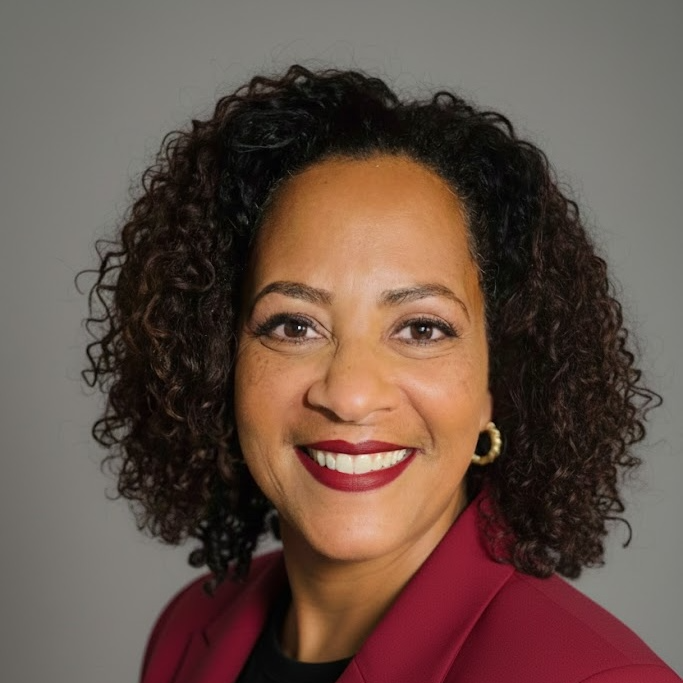
Dr. Trisha Mackey
Dr. Trisha Mackey is the Director of the Transformational Scholarship Program in the College of Education at NC State University. Previously, she served in various roles at NC State supporting first-generation, low-income, and underrepresented students. Trisha received her doctorate in Educational Leadership from East Carolina University, a master's in Counselor Education from North Carolina State University, and a bachelor of arts degree from the University of Richmond. 

Dr. Victoria Privott

Dr. Victoria Privott
Dr. Victoria M. Privott is a TEDxCharlotte 2026 speaker and the founder and CEO of Robin's Way LLC, an equity-centered educational leadership consulting practice. She brings 25+ years of K–12 experience as a teacher, principal, and consultant, and has led school improvement efforts that closed academic achievement gaps and moved schools out of low-performing status. Her work is anchored in resources and structures focused on centering family and student voice in school improvement. She has piloted, in partnership with major urban school districts, and designed protocols designed to be replicated in schools and districts nationwide. 

Elijah Justice “EJ” Crawford

Elijah Justice “EJ” Crawford

Elijah Justice “EJ” Crawford is a freshman at Mauldin High School (Mauldin, SC) from Atlanta, Georgia and a participant it the Bridge Builder Program. He is passionate about anime, manga, and video games because while entertaining many of them illustrate the strength of the underdogs and real societal problems of today. He believes that the education system should not be so sensitive about topics of race and politics and instead should focus on preparing young people to make a better tomorrow.


Elizabeth Troutman

Elizabeth Troutman
Elizabeth Troutman is a partner at the law firm of Brooks, Pierce, McLendon, Humphrey, & Leonard LLP with offices across North Carolina. Her practice focuses on education law, advising schools, colleges, and universities of all kinds and non-profit organizations on education-related legal issues. Elizabeth particularly works in the areas of crisis management, funding disputes, employment, complex investigations, and litigation. Elizabeth is passionate about ensuring educational opportunities across the state of North Carolina. Elizabeth earned her law degree from the University of North Carolina School of Law, her master's in public policy from the Duke University Sanford School of Public Policy, and her undergraduate degree from Princeton University. She lives in Greensboro, North Carolina with her husband and two fantastic children, all of whom make life more exciting every day.

Frances Bryant

Frances Bryant
Frances D. Bryant is an eighth-grade ELA teacher with a passion for history, serving others, and helping individuals become the best versions of themselves. As a devoted advocate for African American boys and young men, she leads with love, grace, and faith while drawing inspiration from her children and grandchild—her beloved “Z Crew.” 

Hana O. Nur

Hana O. Nur
Hana O. Nur is a senior at Tucker High School in Tucker, Georgia, and a participant in the Bridge Builders Program. She is passionate about reading, running, playing, and watching soccer. She is also interested in learning more about engineering and medicine. She hopes that The Color of Education Conference will make her a more well-rounded individual, helping her learn more, and giving her knowledge she can pass onto others.

Ilhan Nur

Ilhan Nur
Ilhan Nur is a freshman at Emory University from Tucker, Georgia, and a participant in the Bridge Builders Program. She is passionate about advocacy, reading, psychology, and learning more about the world around us. She hopes that she can be a part of an effort to better education for people of all different backgrounds

Jalen Lewis

Jalen Lewis
Jalen Lewis is a senior at Elizabeth Andrews High School from Tucker, GA, and a participant in the Bridge Builders Program. He is passionate about abstract hip-hop music. He believes that people should always use their voice and platform to advocate for peace and highlight injustices in their communities.

Jasman Smith

Jasman Smith

Jay Ferguson

Jay Ferguson
Jay Ferguson, Facilitator

Jay is a Producer of AN AMERICAN EDUCATION and worked closely with director Thai Bonapart in the development and making of the film. Jay wrote, “The film reflects the convergence of my passion for my alma mater, West Charlotte High School, and my longstanding commitment to youth advocacy and empowerment inherited from my Mother, who founded a long-running black children's theater program in 1981.” Jay is a Charlotte business leader, serving as Director of Business Development at Park Inc Parking Management Service, and he is a noted youth advocate. He and his wife, Reneisha, who works in the CMS system, created and ran a youth leadership program for years, exploring the history of the Underground Railroad and teaching teens to use the stories of the past to shape a vision for the future.

Jeffrey Rudnik

Jeffrey Rudnik

Jessica On

Jessica On
Jessica On is an early-career Durham Public Schools educator currently teaching 5th grade at Lyons Farm Elementary School. She is a third-year Duke TeachHouse fellow.

Jessie Francese

Jessie Francese
Jessie Francese is Associate Director of Carolina K-12 at UNC-Chapel Hill's Carolina Public Humanities. A National Board Certified Teacher, she brings more than two decades of experience in
North Carolina public schools, including a decade co-teaching interdisciplinary humanities and science and leading large-scale student expeditions. Francese designs place-based, cross-curricular learning experiences that connect literature, history, science, and civic life. At Carolina K-12, she helps lead statewide professional development and builds partnerships that translate university scholarship and community knowledge into meaningful classroom practice. As a leader of Democracy in Place, she
helps educators use inquiry, storytelling, and hands-on exploration to uncover overlooked histories and examine how communities shape democracy.

Joel Ureña

Joel Ureña

Joel Ureña is a junior at Grimsley High School from Greensboro, North Carolina and a participant in the Bridge Builders Program. He is passionate about activism as well as producing music and baseball. He believes that all students deserve a safe place to learn and equal opportunities to ensure the best learning experience possible.


Joshua Brown

Joshua Brown
Joshua Brown

Joshua is an IB senior at West Charlotte High School, and is enrolled in the IB program. He is involved in track and hopes to become involved in student council during the 2026-2027 school year. Joshua values the strong sense of community he has found at West Charlotte and the connections he has built with those around him. Outside of school, he enjoys skateboarding, playing video games with friends, and reading comic books.

Joyah Horton

Joyah Horton
Joyah Horton is a senior at Winston Salem State University from Carrboro, North Carolina. She is currently majoring in elementary education with a minor in special education. She aspires to be a 2nd grade teacher while specifically focusing on students with Down syndrome. It is her passion to help underfunded school communities and empower the children who attend these schools. She is interested in expanding her knowledge and experience when it comes to working with children.

Karen Hemphill

Karen Hemphill

Karmee Davis

Karmee Davis
Karmee Davis is a Greenville native who has taught in Pitt County for the past 16 years. She is passionate about empowering those she encounters to become the best versions of themselves, challenging them to “Go and be great!”

Kathleen Harrell

Kathleen Harrell
Kathleen Harrell is the Director of the NC State University Teaching Fellows Program. She also serves as a member of the Dudley Flood Center Educator Community Council. With more than a decade of leadership experience across Pre-K–12 and higher education, Kathleen brings expertise in instructional coaching, multi-tiered systems of support, data-driven planning, curriculum development, and educator professional learning. In her role, she supports students throughout their journey as prospective teachers, current scholars, and alumni.

Katrina Huffman

Katrina Huffman
Dr. Katrina S. Huffman is a scholar-practitioner, educator, nonpro9it executive, and leadership strategist whose work sits at the intersection of educational equity, law and policy, organizational leadership, and systems change. She earned her doctorate in Law and Policy from Northeastern University, where her narrative inquiry research examined the lived experiences of Black educational leaders and their perceived power to in9luence policies addressing the disproportionate identi9ication of Black students in special education. With more than two decades of executive and nonpro9it leadership experience, Dr. Huffman's work focuses on translating research, policy, and lived experience into organizational structures and leadership practices that expand opportunity and strengthen institutions. She also teaches nonpro9it management and law and economics as well as theology at the graduate level.

Kaya Williams

Kaya Williams
Kaya Williams is a senior at Dekalb School of the Arts from Atlanta, GA and a participant in the Bridge Builders Program. She is passionate about performing art, film, visual arts, cooking, and fashion. She serves as a co-captain and founding member of her school's Mock Trial team and visual arts representative for Students of the Performing Arts. She also enjoys the pursuit of knowledge and wants to go to college for psychology and film and is working to get into the film industry. She strongly believes that everyone should get and deserves a quality education fit for them.

Kelsey Lam

Kelsey Lam

Khloe Dotson

Khloe Dotson
Khloe Dotson is a sophomore at Sanderson High School (Raleigh, NC) from Queens, New York and a participant in the Bridge Builders Program. She is passionate about the arts, building the Black community, and spreading joy. She believes that schools should educate youth and contribute to an enlightened society.

Lela J. Sewell-Williams

Lela J. Sewell-Williams
Lela J. Sewell-Williams is a seasoned professional with 30 years of experience dedicated to preserving the history and culture of the African diaspora. Her archival career began at South Carolina State University, where she made history as the institution's first University Archivist.

While serving at The Schomburg Center for Research in Black Culture, she notably initiated the Hip-Hop Archives within their Manuscripts, Archives, and Rare Book division. During her initial tenure at Howard University’s Moorland-Spingarn Research Center (MSRC), she led the foundational establishment of the Black Regional Dance Archive. She later transitioned into academia within Howard’s Department of Theater Arts, teaching dance history, research techniques, and studio dance classes. After managing the Columbia Maryland Archives for three years, she returned to MSRC to serve as the Curator of Manuscripts. In this leadership role, she reimagined organizational archive partnerships and established a museum internship program for fine arts students. Her work at MSRC also included securing state-of-the-art storage systems to protect the center’s vital museum and artifact collections. In addition to her formal roles, from 2011-2026 she supported the arts community by serving as the volunteer archivist for the International Association of Blacks in Dance. Currently, she applies her extensive expertise as the Director of Archival Collections within the Special Collections Division of the National Geographic Society.

Liam Hasselmann

Liam Hasselmann
Liam Hasselmann

Liam is a Junior at West Charlotte High School, where he is enrolled in the school's prestigious IB Program, engaging with coursework through an international context and ongoing language study. Liam is an active member of the West Charlotte National Honors Society and Beta Club, and performs as a drummer with the West Charlotte Marching Lions drumline. He has also completed the Culinary Pathway program. Outside of school, he writes, performs, and produces music, and enjoys collecting physical media, including CDs, vinyl records, DVDs, Blu-rays, and comic books.
Lisa York

Lisa York

Loreli Medina

Loreli Medina

Maia Solomon

Maia Solomon
Maia Solomon is an early-career Durham Public Schools educator currently teaching Science at Brogden Middle School and a second-year Duke TeachHouse Fellow.

Margaret Adjoga-Otu

Margaret Adjoga-Otu

Margaret Adjoga-Otu is a first-generation Ghanaian-American educator, entrepreneur, author, public speaker, and lifelong learner who is committed to empowering others through education, culture, creativity, and faith. A dynamic and multifaceted leader, Margaret brings more than two decades of experience serving children, families, and communities.

Margaret holds a Bachelor’s Degree in English/Writing from Bloomfield College and a Master’s Degree in School Library Media Specialization/Educational Technology from New Jersey City University. She is currently a doctoral candidate in the Educational Leadership and Cultural Foundations Program at the University of North Carolina Greensboro, where her scholarship reflects her passion for educational equity, culture, leadership, and transformative learning.

For more than two decades, Margaret served as a school librarian and educator in Newark, New Jersey, the city where she was born and raised. Her dedication to students, families, and education has earned her numerous awards and recognitions. She also served for several years as an adjunct professor at Rutgers University–Newark, teaching Creative Writing and Spoken Word to teens and providing them with opportunities for exploration, self-expression, and empowerment.

As an entrepreneur, Margaret is the owner of Genia’s Boutique African Handbags & Things, a business through which she celebrates and honors her Ghanaian heritage by curating and sharing authentic African accessories. She is also the author of Experience Biblical Evangelism Workbook, 2nd Edition, currently available in English and Portuguese.

Margaret has served in ministry as an evangelist for more than two decades, faithfully sharing the gospel throughout the East Coast of the United States, Hawaii, Ghana, and Mozambique. Her life and work reflect a deep commitment to education, cultural identity, service, faith, and empowering others to discover and use their voices.

Margaret currently resides in Greensboro, North Carolina, and works with Guilford County Schools. She continues to pursue her doctoral studies while inspiring others through education, entrepreneurship, public speaking, writing, and community engagement.


Megan A. Zogby, Ed.M.

Megan A. Zogby, Ed.M.

Megan Zogby earned her bachelor’s degree in political science from North Carolina State University and her master’s degree in education policy and analysis from the Harvard Graduate School of Education. Passionate about education policy and creating opportunities for students to succeed, her graduate studies focused on researching initiatives to end or mitigate the school-to-prison pipeline, expanding career pathways by promoting entrepreneurship and certificate programs, and supporting early childhood development.


Currently, Megan serves as a Policy Analyst at The Hunt Institute, where she focuses on higher education policy research nationwide. Her portfolio encompasses carceral education, HBCU caucus work, educator diversity, workforce readiness, credentials of value, and more. With experience in program management and policy analysis, she strives to develop initiatives that help all students and communities thrive. Without diversity in all its forms—thought, ethnicity, religion, and geography—education cannot truly succeed.

Moni Singh

Moni Singh
Moni Singh, CEO of STEM for Kids, is a transformative leader in STEM education with over 14 years of experience empowering communities to make engineering and technology fun, real, and equitably accessible.As a Duke Fuqua MBA graduate and an Indian Institute of Technology Computer Science engineer, she leverages her technical background to scale human-centered STEM curricula across more than 300 communities globally. Recognized as one of Entrepreneur Magazine’s 100 Women of Impact and a Triangle Business Journal STEM Leader, Moni focuses her advocacy on building "Human Bridges" that nurture children’s innate curiosity, foster inclusive STEM identities, and eliminate systemic barriers for underrepresented youth. She is a published author and a frequent speaker dedicated to channeling student voice toward structural problem-solving. Learn more about Moni Singh here: https://www.themonisingh.com/

Myles Jackson

Myles Jackson
Myles Jackson is a senior at the Illustrious North Carolina Central University from Chapel Hill, NC and a participant in the Bridge Builders Program. He is passionate about social justice, graphic design, photography, music, and cooking. He believes education is for everyone no matter your background or the environment around you.

Nnamdi Ebubedike

Nnamdi Ebubedike

Nnamdi Ebubedike is a senior at Westover High from Albany, Georgia and a participant in the Bridge Builders Program. He is passionate about Black History, joining the military, and his sport wrestling. He supports those no matter their color or background that are aiming to gain a better education, understand of the world around themselves, and make a difference.


Olivia Williams

Olivia Williams
Dr. Olivia Williams is a qualitative researcher whose current work focuses on critical consciousness, equity, and culturally sustaining teaching practices. She is also a high school English teacher whose teaching is grounded in critical literacy and its potential to help students critically examine texts and the world around them. Olivia enjoys bringing together her research and classroom experience to explore how educators can recognize and respond to inequities in schools.

Sabion Kelley

Sabion Kelley

Samantha Duke

Samantha Duke
Samantha Duke is the Graduate Assistant for the Transformational Scholars Program and a Ph.D. candidate in Teacher Education and Learning Sciences: Literacy and English Language Arts Education at North Carolina State University with a Master’s in English Literature. She studies preservice teacher preparation and support and aims to create spaces of belonging in which students are empowered to think critically and to challenge established norms as they develop their own teacher identity and praxis. Her concerns with accessibility and equity in education are mirrored in her work with digital inclusion efforts across North Carolina.

Shana Troublefield

Shana Troublefield

Sheri Golden Perry

Sheri Golden Perry
Sheri Golden Perry is an experienced Curriculum and Instruction Educator with a demonstrated history of working with teachers to further develop their global education footprint, best practices and vertical articulation in the classroom.

Sheryl Croft

Sheryl Croft
Dr. Sheryl J. Croft is a Professor of Educational Leadership in the Department of Educational Leadership in the Bagwell College of Education of Kennesaw State University, Program Chair of the Doctoral Educational Leadership program, and Director of Teaching in the Urban South (TITUS), a multi-state affiliation of scholars dedicated to providing and ensuring educational opportunities for marginalized students throughout the Southeast. As a veteran educator with over forty-five years K-20 experience, she has served in every K-12 level of leadership from principal to assistant school superintendent. Her work embodies practice and research that seeks to improve educational opportunities for students marginalized by systemic inequities. In 2020, she served as program Co-Chair of AERA. As a professor of Educational Leadership, her research focus, scholarship, and practice explore the ways in which school leaders using historical paradigms can provide educational opportunities for all students, the ramifications of national and state educational reform within school settings, and authentic collaborations between K-12. Her co-edited work Living the Legacy of African American Education: A Model for University and School Engagement exemplifies how contemporary educators may use historic educational paradigms and models to mitigate and inform contemporary leadership practices. She is also a recipient of several school leadership and a lifetime educational achievement awards. Croft earned her PhD in 2013 from Emory University’s Division of Educational Studies with a focus on the intersectionality between educational reform policy and its implementation in an African American school district.

Simona Goldin

Simona Goldin

Dr. Simona Goldin is a Research Associate Professor of Public Policy at the University of North Carolina. She had a Ph.D. in Educational Studies and a master’s degree in management and urban policy analysis. Her research and scholarship consider efforts to transform the preparation of beginning teachers to teach in more racially just and equitable ways. Her most recent work has looked carefully at the ways that innovations are weaponized against the very communities they are meant to support. Goldin serves as co-chair of the Equity in Schools Project Team on the UNC Commission on History, Race, and a Way Forward.

Tabetha Jones-Evans

Tabetha Jones-Evans
Tabetha Jones-Evans is an early-career Durham Public Schools educator currently teaching STEM and Technology at Rogers Herr Middle School after 19 years in the elections technology industry. She is a second-year TeachHouse Community Practitioner fellow.

Tessa Shultz

Tessa Shultz
Tessa Shultz serves as Senior Manager of Outreach & Engagement for Special Collections at the National Geographic Society, where she leads relational stewardship strategy. She brings over a decade of experience in cultural heritage program management, specializing in scaling partnerships with Indigenous communities. At the Smithsonian’s National Museum of the American Indian, she led its largest shared stewardship initiatives, working alongside Indigenous communities of the Western Hemisphere to develop engagement models that successfully relocated over 100 items into community care. Tessa sits on the board of Your Neighborhood Museum, is a Program Committee member of Voices on Contemporary Art, and is an inaugural Council Member of the Association of Tribal Archives, Libraries and Museums' Going Home Fund.

Thai Bonapart

Thai Bonapart
Thai Bonapart, Panelist and Panel Designer

Thai is a filmmaker and student in Nutritional Science at North Carolina A&T State University.

An American Education is her directorial debut and reflects her passion to preserve her community’s history, encourage dialogue across generations, and inspire audiences to seek out diverse spaces. Thai explores the intersections of history, education, and generational responsibility, using film to ask meaningful questions and preserve local narratives. Beyond
filmmaking, Thai hopes to build a career centered on community health and access to nutrition education. Whether through film or healthcare, she is committed to creating a meaningful, lasting impact in the communities she serves.

Vincent Willis

Vincent Willis

Dr. Vincent Willis is an Associate Professor of Interdisciplinary Social Sciences in New College with a joint appointment in the Department of American Culture & Society at the University of Alabama. His research and teaching analyze how the dueling ideas of democracy profoundly shape public education historically and how those issues shape our contemporary understanding of educational equality. His first book, Audacious Agitation: Black Youth and the Uncompromising Commitment to Equal Education Post-Brown (University of Georgia Press), is a historical analysis of the sociopolitical factors that contributed to the perpetuation of a racially stratified educational system and the various ways black youth responded after the landmark Brown v. Board of Education decision. Vincent is working on his second book, Exhaustive Defiance: Black Youth and the Persistent Quest to Democratizing Extracurricular Activities in Public Schools, 1964-1975, which (re)constructs a history of competing philosophies about the right to participate in extracurricular activities during the freedom of choice phase of desegregation. Vincent’s research agenda reflects a commitment to understanding the nuances of educational equality from the perspective of marginalized communities. He earned his PhD in Educational History from Emory University, a MA in African and African American Studies from the Ohio State University, and a BA in African American Studies from Morehouse College. He is a 2019-2020 National Academy of Education (NAEd)/Spencer Postdoctoral Fellow.

William “Braxton” Britt

William “Braxton” Britt

Braxton is a Sophomore at West Charlotte Highschool. He attended Oaklawn Language Academy for Spanish immersion K-8, and is now conversationally fluent in Spanish. Braxton played varsity baseball as a freshman at West Charlotte High School and also umpires for Dilworth and Mecklenburg Park Little League. He was recently awarded Superior Cadet for LET 1 in JROTC, reflecting his leadership and discipline. Braxton is active in his community and faith life, participating in youth groups at Uptown Church and Young Life at WCHS. An avid reader with a strong interest in history, Braxton brings a well-rounded blend of academic curiosity, athletic commitment, and community involvement to this project.