




- RESSOURCEN
- Blog
- EventMarket
- FAQ
- Global
- Sicherheit
- Bibliothek
- Nachrichten


Discover InEvent’s award-winning AI products—from Photo Match AI to the AI Registration Assistant, AI Website Builder, and more. Learn from who created the first AI for events.
Discover nowUnterstützen Sie Ihre persönlichen Veranstaltungen mit Ausweisdruck, mobiler App und Veranstaltungsregistrierung. Genießen Sie einen reibungslosen Einstieg mit unserer NFC-Technologie. Seit 2013 ist das Unternehmen mit der Ausrichtung echter Live-Events vertraut.
Entdecken Sie, wie die komplette virtuelle Event-Plattform von InEvent fesselnde und anpassbare Erlebnisse in großem Maßstab für Event-Profis bereitstellen kann. Erstellen Sie virtuelle Veranstaltungen mit unserem preisgekrönten Live-Studio. Fördern Sie das Engagement, verarbeiten Sie Anmeldungen und generieren Sie aussagekräftige Erkenntnisse.
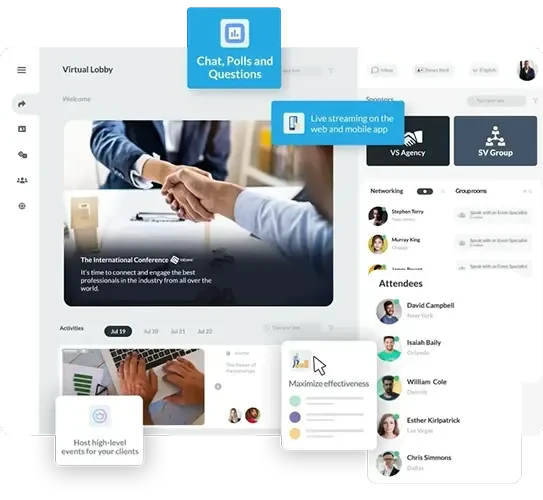
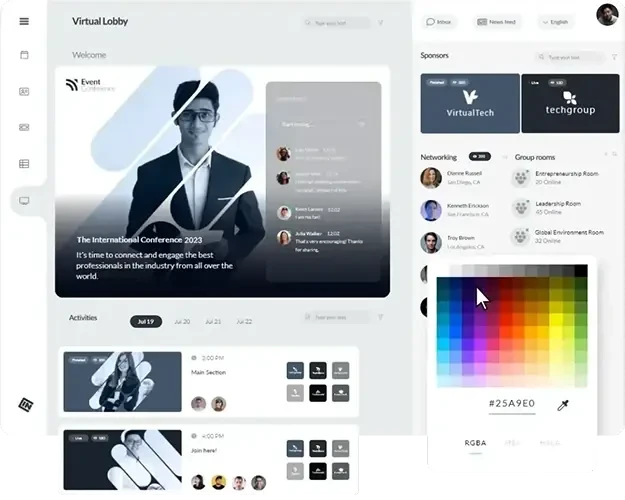
Übernehmen Sie die Kontrolle über Ihre Veranstaltungen mit unseren hybriden Veranstaltungslösungen. Bringen Sie Ihre Sitzungen, Networking, Sponsoren, Stände und Meetings in Ihre virtuelle Lobby! Schaffen Sie mehrere Breakout-Räume und bieten Sie Ihren persönlichen und virtuellen Teilnehmern ein ansprechendes und einzigartiges Erlebnis.
Kommunizieren, präsentieren und inspirieren Sie Ihre Kunden mit einer flexiblen Premium-Videoplattform und der besten Webinar-Software. Ihre All-in-One-Webinar-Software mit Registrierung, Ticketing, Budget, Anwesenheitsverfolgung, CRM, E-Mail-Erstellung und vielen weiteren Audio-/Video-Funktionen.


InEvent ist eine der leistungsfähigsten Plattformen für die Veranstaltungsregistrierung auf dem Markt. Erstellen Sie Marketing-Workflows und Anmeldeformulare, die genau auf die Bedürfnisse Ihrer Veranstaltung zugeschnitten sind. Passen Sie jedes Detail an, verwalten Sie Genehmigungen mit Leichtigkeit und behalten Sie Wartelisten unter Kontrolle. Dies ist nicht nur ein Tool - es ist ein intelligenter Weg, um Registrierungen unkompliziert und auf Ihre Vorstellungen zugeschnitten zu gestalten.
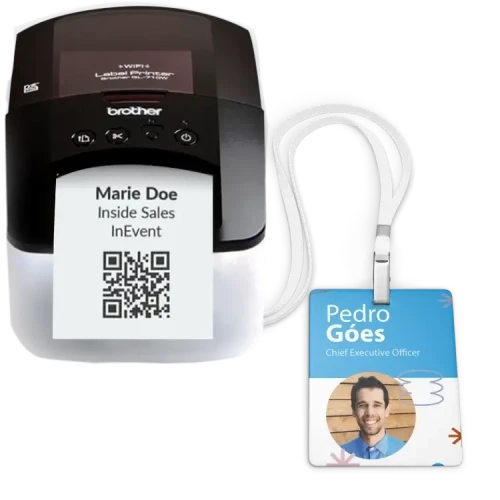
Beginne noch heute mit dem AufbauInEvent bietet alles, was Sie brauchen: Software, Hardware und Unterstützung vor Ort. Mieten Sie individuelle Ausweise, Armbänder und NFC-Tags, um eine effiziente Registrierung vor Ort zu gewährleisten. Entwerfen Sie Designs, die zur Stimmung Ihrer Veranstaltung passen, und sorgen Sie mit schnellem Scannen für einen effizienten und sicheren Check-in-Prozess, der die Voraussetzungen für ein hervorragendes Teilnehmererlebnis schafft.
Mehr erfahrenEntwerfen Sie intelligente Anmeldeformulare und maßgeschneiderte Websites, die die von Ihnen gewünschten Details erfassen. Gleichzeitig können Sie Teilnehmer genehmigen, Wartelisten verwalten und Arbeitsabläufe an den Stil Ihrer Veranstaltung anpassen - alles an einem Ort.
Unsere Lösungen ansehenÜberspringen Sie das Chaos am Check-in-Schalter. Mit dem Abzeichendruck vor Ort können die Teilnehmer eintreten, scannen und erhalten sofort ihren personalisierten Ausweis. Das ist schnell, professionell und sorgt dafür, dass sich die Teilnehmer auf Ihre Veranstaltung konzentrieren können.
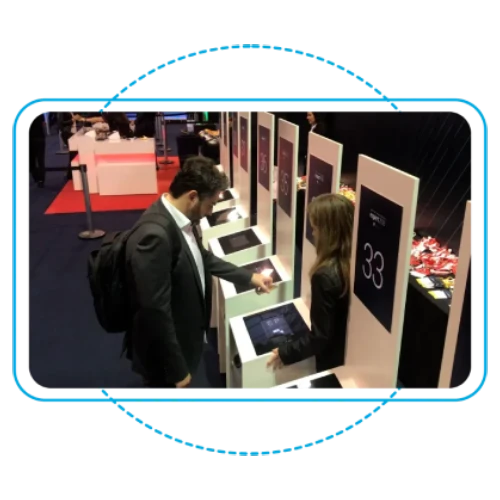
Unsere Lösungen ansehenLegen Sie die Kontrolle in die Hände Ihrer Teilnehmer. Selbstbedienungskioske beschleunigen das Einchecken, helfen beim Scannen der Tickets und ermöglichen es den Teilnehmern sogar, ihre Daten vor Ort zu aktualisieren. Der Komfort, den sie bieten, hinterlässt einen bleibenden Eindruck.
Unsere Lösungen ansehenIhre Veranstaltung verdient Aufmerksamkeit, und wir helfen Ihnen, sie zu bekommen. Von gezielten E-Mail-Kampagnen bis hin zur Integration sozialer Medien - sprechen Sie die richtige Zielgruppe an und wecken Sie Vorfreude. Verfolgen Sie, was funktioniert, stimmen Sie Ihre Botschaft ab und beobachten Sie, wie Ihre Anmeldezahlen in die Höhe schnellen.
Unsere Lösungen ansehenLassen Sie Ihre Teilnehmer direkt bei der Registrierung Sitzungen buchen, Plätze für Keynotes reservieren oder persönliche Treffen vereinbaren. Diese personalisierte Erfahrung wird ihnen helfen, das Beste aus Ihrer Veranstaltung zu machen und Ihnen Zeit zu sparen.
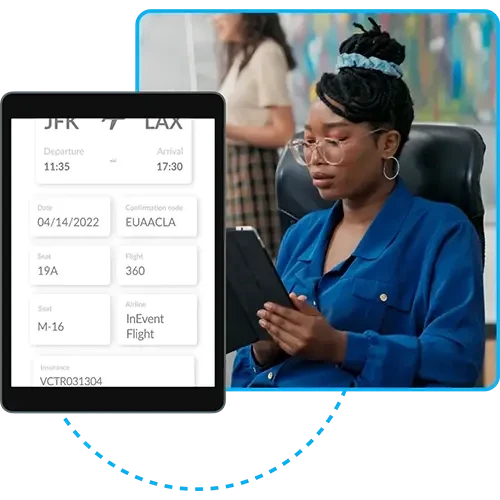
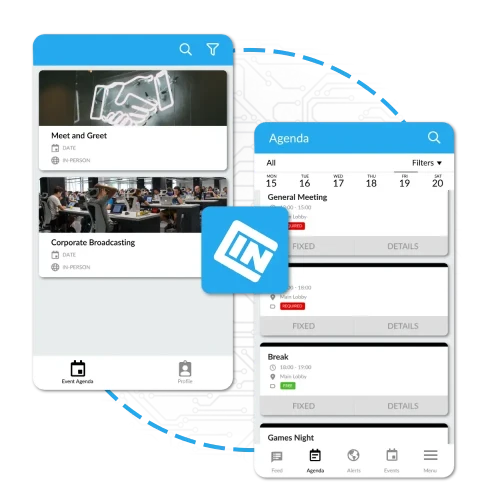
Unsere Lösungen ansehenHalten Sie alle Teilnehmer in Verbindung, egal wo sie sind. Ihre Teilnehmer können Zeitpläne durchsuchen, sich mit anderen Teilnehmern vernetzen und Echtzeit-Updates erhalten - und das alles über eine App, die das Veranstaltungserlebnis vereinfacht. Für Sie ist es eine einfache Möglichkeit, mehr Wert zu schaffen.
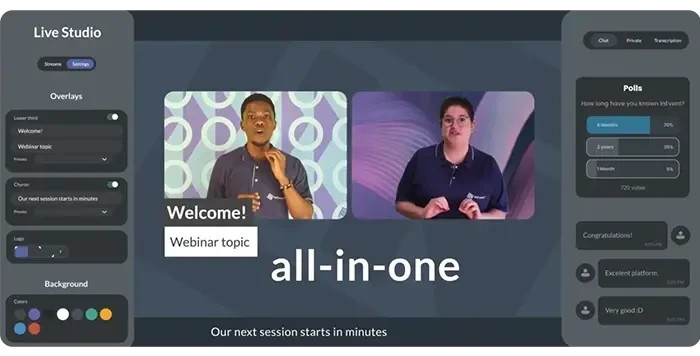
Unsere Lösungen ansehenMache jeden Moment unvergesslich. Unser patentiertes Live Studio bringt Studioqualität in deine Events und ermöglicht dir makellose Live-Streams. Erstelle On-Demand-Inhalte für die Nachbereitung, präsentiere aufgezeichnete Sessions und halte dein Publikum auch nach dem Event engagiert.
Unsere Lösungen ansehenErmöglichen Sie Ihren Teilnehmern die Interaktion mit Referenten mit integrierten Chats, Fragen und Umfragen, die sowohl in der Event-App als auch auf der Website verfügbar sind.
Unsere Lösungen ansehenEchte hybride Event-Funktionen, einschließlich einer benutzerdefinierten Event-App, einem Omnichannel-Nachrichtensystem und mehr.
Unsere Lösungen ansehenEntwerfen Sie eine White-Label-Veranstaltung von Grund auf oder wählen Sie Vorlagen für eine schnelle Durchlaufzeit. Sie können jede Veranstaltung in Ihrer Live-App oder Virtual Lobby so gestalten, wie Sie es wünschen.
Unsere Lösungen ansehenVerwandeln Sie Ihre Teilnehmer in Leads mit umfassender Nachverfolgung der Teilnehmerreise, UTMs, tiefer Integration in Ihr CRM und Marketing-Automatisierungstools.
Unsere Lösungen ansehenBietet Zugang zu einer Echtzeit-Verdolmetschung und Echtzeit-Videotranskription für Nicht-Muttersprachler oder Teilnehmer mit Hörbehinderungen.
Unsere Lösungen ansehenErhalten Sie Zugang zu einem globalen Netzwerk von Dienstleistern auf EventMarket, damit Sie die vollständige Kontrolle über alle Aspekte Ihrer hybriden, persönlichen und virtuellen Veranstaltungen haben.
Unsere Lösungen ansehen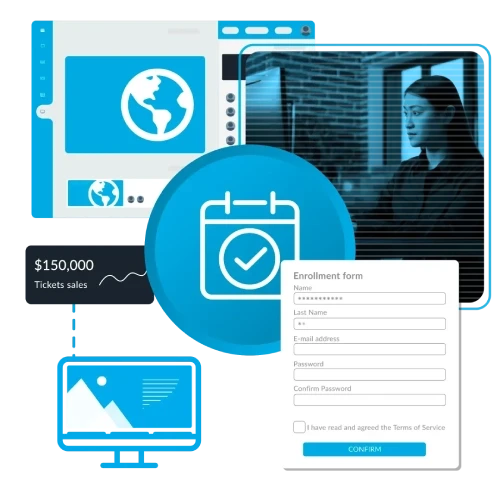




Im Sommer 2020 hatten wir etwa 20 Demos von verschiedenen Unternehmen und landeten bei InEvent. Wir sind sehr zufrieden mit unseren Ergebnissen aufgrund der benutzerfreundlichen Plattform und der hohen Qualität der Videostreams.


InEvent war ein großartiger Partner in unserem Registrierungsprozess. Die Plattform ist unglaublich einfach zu bedienen und bietet eine Reihe von skalierbaren Optionen, die perfekt auf unsere Veranstaltungsanforderungen zugeschnitten sind. Eine Funktion, die wir sehr schätzten, war die Möglichkeit, mühelos Fotos hochzuladen und mit anderen zu teilen, was die Interaktion mit den Teilnehmern noch persönlicher machte. Die Aufmerksamkeit, die dem Layout und der Benutzerfreundlichkeit gewidmet wurde, war hervorragend und sorgte für eine nahtlose Schnittstelle. Der Support vor Ort war fantastisch, insbesondere bei der reibungslosen Bereitstellung der Teilnehmerausweise. Der Service übertraf von Anfang bis Ende unsere Erwartungen. Sehr empfehlenswert!


Der Kundenservice von InEvent ist unwirklich! Tag und Nacht war immer jemand online, der mir bei der Fehlerbehebung half. Sie waren geduldig, sachkundig und lustig! Auf jeden Fall hilfreich, wenn Sie kein großes Team haben, das an einem Projekt arbeitet. Ich fühlte mich so unterstützt.

Die Fähigkeit, mehrspurige Veranstaltungen durchzuführen, und zwar auf eine Art und Weise, die entweder für interne Teams trainiert werden kann, um ihre eigenen Veranstaltungen zu produzieren, oder die durch ein Veranstaltungsproduktionsteam verwaltet werden kann. Ihre Unterstützung ist äußerst hilfreich. Ich habe mir mehrere andere Plattformen angesehen und für die Art von Veranstaltungen, an denen ich arbeite, ist dies meine bevorzugte Plattform.


Wir nutzen die Plattform sehr gerne und sind vom Kundenservice auf jeden Fall beeindruckt!

Join InEvent’s exclusive 2026 VIP tour: high-touch dinners, executive roundtables, and high-value connections for event industry leaders.
Jetzt entdecken