
- Ressources
- Blog
- EventMarket
- FAQ
- Global
- Sécurité
- Bibliothèque
- Actualités


Sporting events are one of the most daunting events to take on. And if you're planning an activation at the world's biggest sporting event (FIFA World Cup 2026) with fans travelling from city to city, country to country, for a globally known brand like adidas, where you have to worry about everything from registration, to ticketing, to hardware configuration, and so much more, you’d need a service and software partner who’d help you make planning and coordination a seamless experience.
Kamp Grizzly, an independent agency that creates meaningful connections between the world's best brands and the cultures they participate in, for brands like Apple TV+, Uber Eats, MTV, and Oakley, came to us looking for an event platform that could handle the coordination, organisation, and execution for adidas to create a fan destination in New York City for the FIFA World Cup 2026.
It was a full six-week activation, open every single day, free to the public, with over 68,000 fans registering from June 13 to July 19.
The enormity of this event meant they needed attendees to register before they showed up, manage daily capacity, and have tickets that felt on-brand, with hardware scanning every single one of them, all working simultaneously like a well-oiled machine.
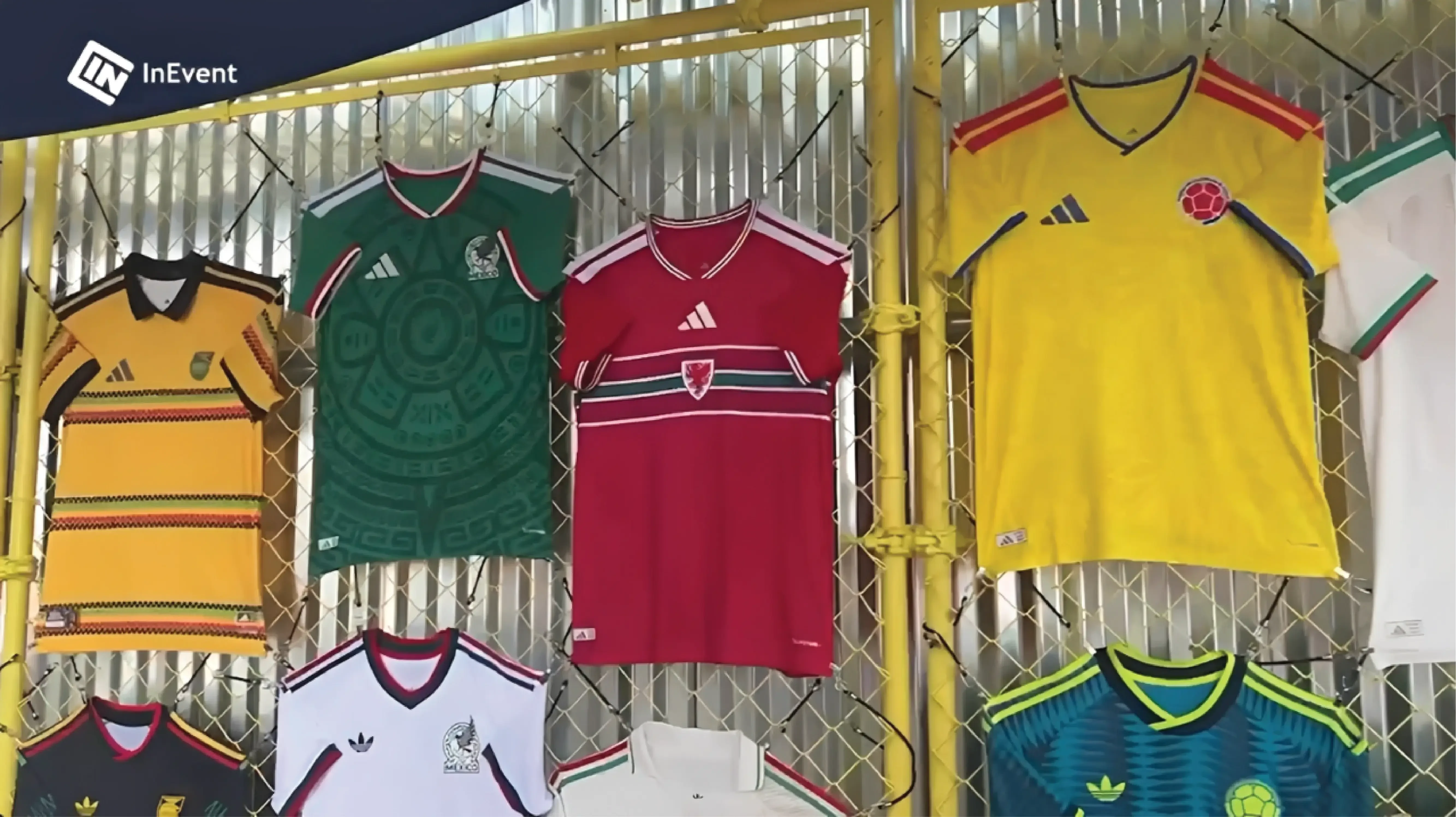
But the thing is, sports activations are nothing like a corporate conference or a product launch, and that means you can't just use any tool and hope for the best:
Here's what Kamp Grizzly was up against:
For starters, this wasn't a one-day event. It was six weeks of daily, high-volume attendance. Every single day brought a new wave of fans showing up, needing to be registered, checked in, and managed without the experience feeling chaotic or disorganised. That kind of sustained pressure breaks systems that weren't built for it.
Then there was the brand. This was adidas, so everything had to look and feel exactly right from the colours, the fonts, the buttons, the flow. A generic event page wasn't going to cut it. Kamp Grizzly needed a fully customised registration experience that matched adidas's visual identity down to the hex code.
And the ticketing wasn't straightforward either. Different days meant different types of tickets. And when guest appearances and concerts started getting added to the programme, those needed their own separate tickets, their own confirmation emails, their own wallet passes, all distinct from the regular day passes.
For both the organizers, planners, and attendees, registration, check-in, ticketing, and more all had to work perfectly on both desktop and mobile, without a native attendee app.
On top of all of that, they needed clean, real-time check-in data every single day, for reporting and to also actively manage how many people were walking through the doors at any given moment.
And if that wasn't enough, we had just eight days to help them build, brand, test, and launch the entire event operation.
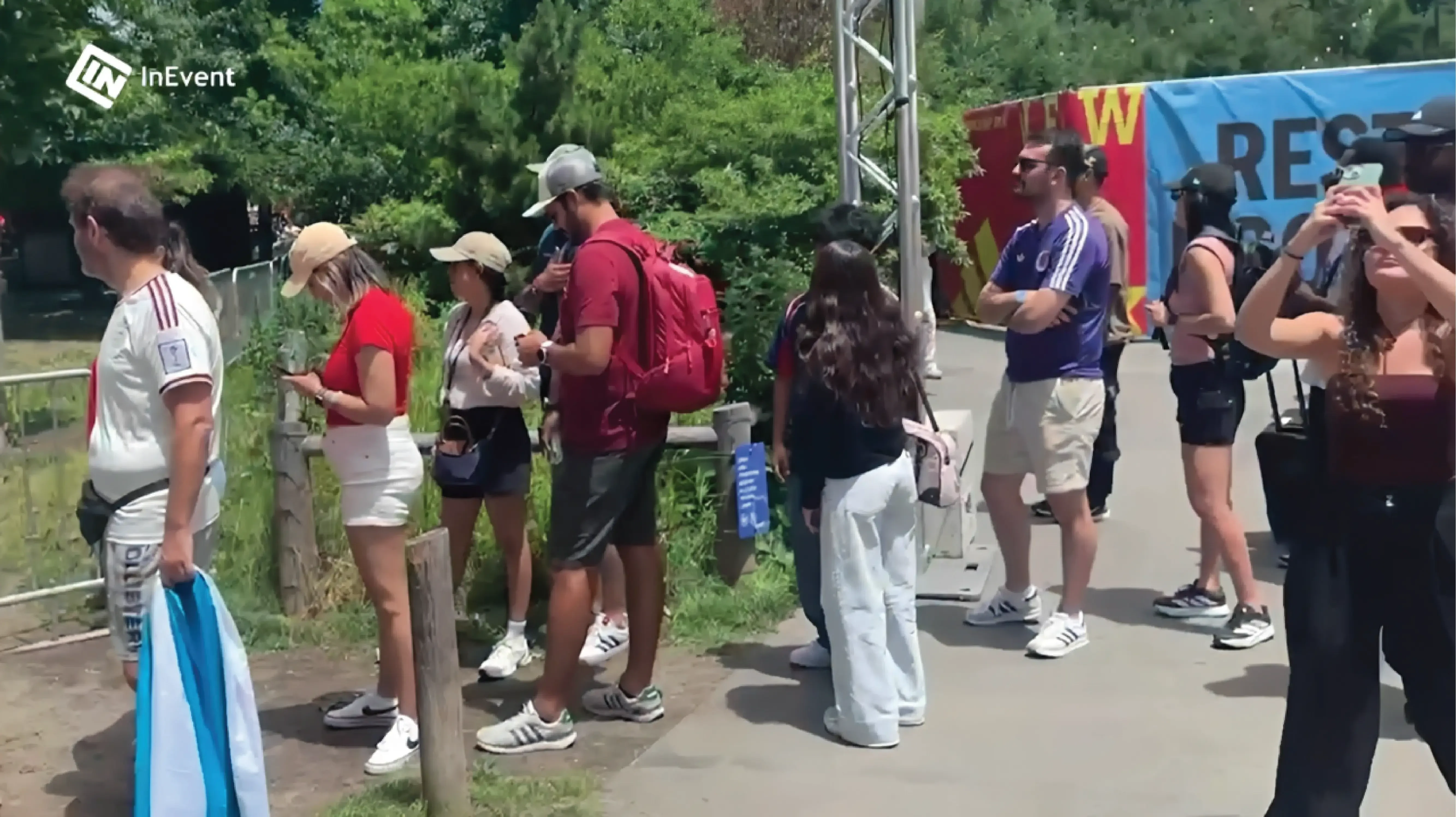
So, what did eight days actually look like?
Here's everything we built, configured, and put in place in eight days.
The first thing we did was build the landing page from scratch, on InEvent's platform, to look exactly like adidas’s branding. We're talking hex codes, compressed bold fonts, black and yellow buttons, and custom CSS throughout.
Attendees could pick their specific day straight from a calendar built into the registration flow, so they would not have any confusion or back and forth. Just pick your day, sign up, and show up. And because there was no native attendee app, the whole thing had to work perfectly on both desktop and mobile, and it did.
We also built in a direct link to adidas's AdiClub membership page, adidas-specific Privacy Policy and Terms & Conditions pop-ups, and a click-to-reveal FAQ section.
They were able to build a ticketing system based on type and activities. For example, regular days got their own tickets. Concert days and guest appearance days got their own tickets too, with completely separate confirmation emails and Apple Wallet passes so attendees always knew exactly what they were showing up for.
On the ground, we deployed six Zebra TC22 scanners: two active units running at all times, two ready to swap in the moment a battery ran low, and two backups on standby. The InEvent Kiosk App handled every single scan, with real-time capacity numbers updating throughout the day so the team always knew exactly how many people were inside at any given moment.
Our team was physically on the ground for the first few days, and we ran a full training session with the on-site technicians so that by the time the first fan walked through the door on June 13th, everyone knew exactly what to do.
And for the remaining five weeks of the activation, our technicians had a standing remote troubleshooting line, so if anything came up at any point, help was never more than a call away.
From day one, Kamp Grizzly had a dedicated team: a project manager, a team lead, an event specialist who built the entire event, and an account executive on the ground. We also built a separate staging environment so they could test every single change without ever touching the live event.
And because Kamp Grizzly needed to be able to make quick updates themselves, like changing the daily capacity or updating the landing page to announce which matches wouldn't be showing that day, we trained them to do it. Within 48 hours of launch, they were self-sufficient. But our 24/7 support team was always there if they needed us.
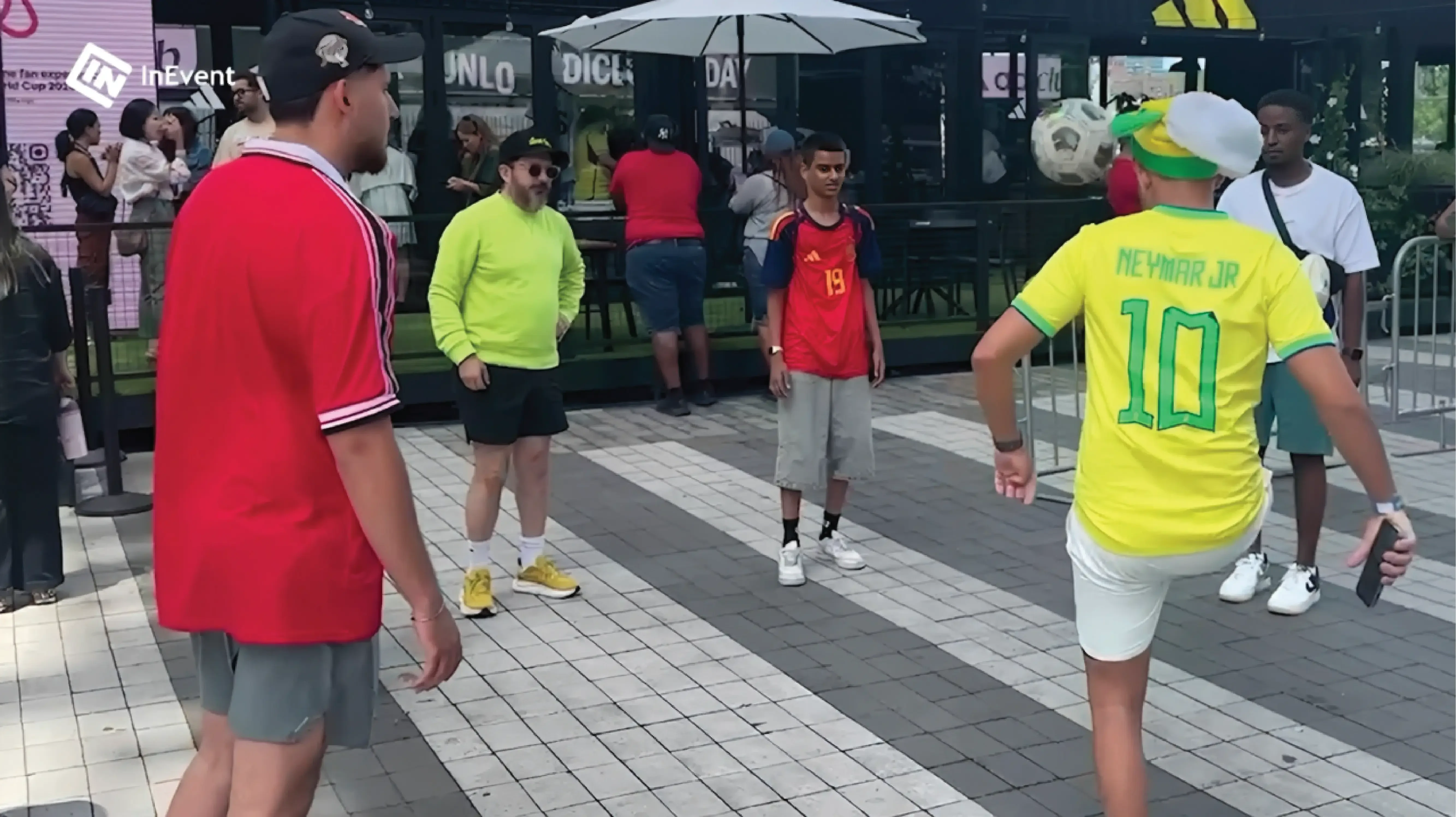
In the first ten days alone, over 70,000+ people had already registered for the adidas Home of Soccer free fan activation in New York City, at the biggest sporting event (FIFA World Cup 2026) on the planet.
Of those, 18,594 unique fans walked through the gates and were scanned in without a hitch. And because fans came back, because the experience was actually worth returning to, there were 19,703 total check-ins across those ten days, with 953 re-entries from people who showed up more than once.
At its peak, 19,684 fans were inside the activation at the same time on a single day.
On the communications side, Kamp Grizzly sent over 80,000 emails through the platform (confirmation emails, check-in notifications, ticket updates), all automated from pre-designed templates that ran themselves the moment an attendee registered, purchased a ticket, or checked in. The open rate? 49.5%. Nearly half of every single email sent was opened. And 9,664 people clicked through. For context, the average event email open rate sits somewhere around 20-25%.
Throughout the event, they did not experience a single check-in system failure, all across ten days of thousands of daily scans.
Within 48 hours of launch, Kamp Grizzly they were making day-to-day changes on the platform themselves, updating landing page copy, adjusting daily capacity, managing their event like they'd been using InEvent for years.
That's what happens when the platform is built right, the team shows up, and everything works the way it's supposed to.
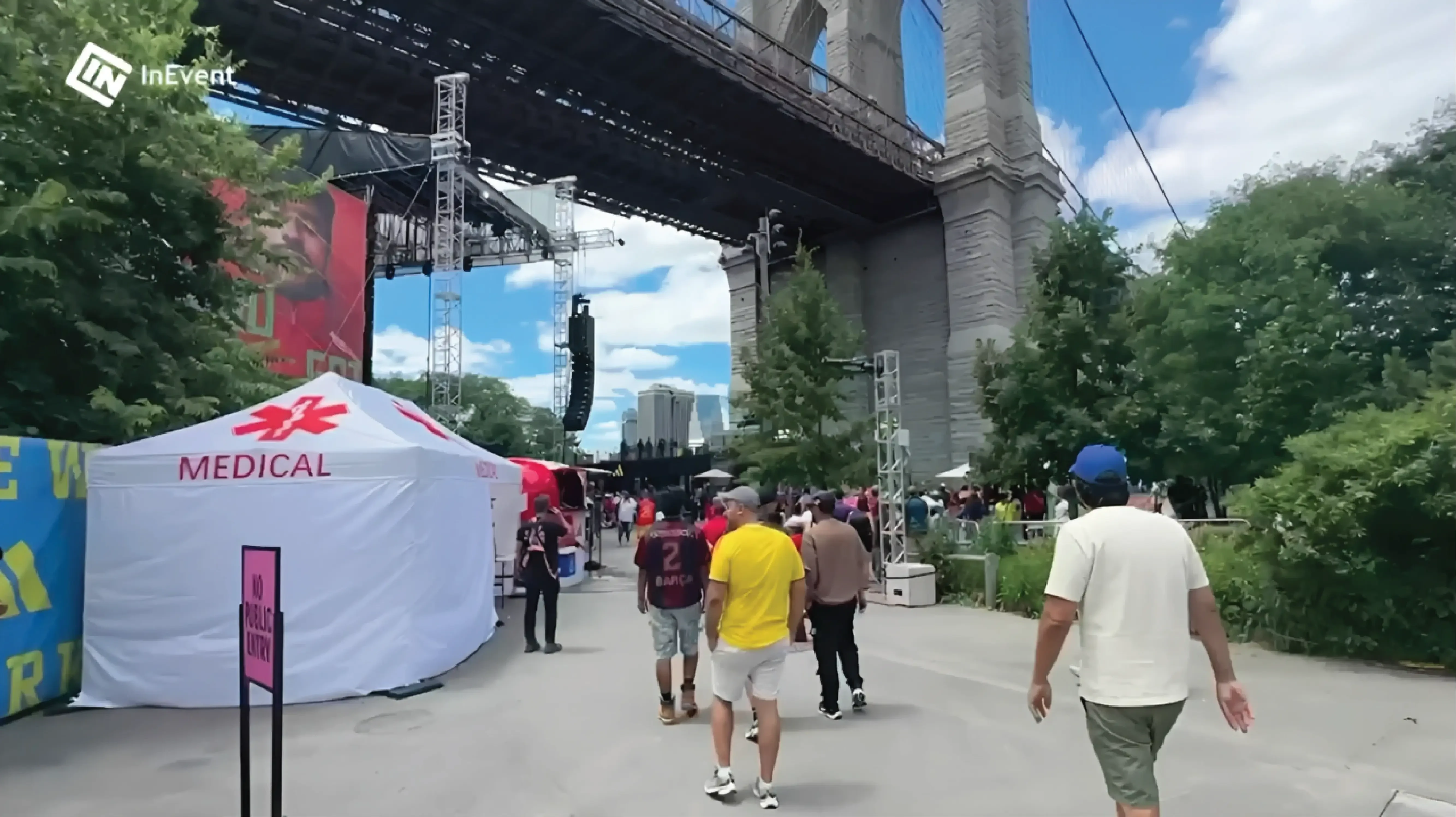
If you're an agency, a brand team, or an experiential marketer planning a sports activation, whether it's a fan zone, a sponsorship event, or something completely new, you can replicate this success.
All you need is a platform robust but flexible enough to match your brand, your volume, your vision, and a team experienced enough to actually deliver it.
Which is exactly what Kamp Grizzly got:
InEvent isn't just for corporate events or webinars. It works for fan activations, sports sponsorships in any attendance range, and even for high-visibility brand experiences where getting it wrong simply isn’t an option.
And it can work for yours too.
If you're thinking about your next sports event or brand activation, we'd love to show you what's possible. See how InEvent handles your event type, or book a meeting with our team, and let's build something worth remembering.